
Getting online on your new gadget is straightforward. First you need to set it up. Then once it’s ready to go, you’d like to read some stuff on it.
But first you have to connect to the internet. It might take a while to find your way around the menus. Tap that menu button. Oh look, here’s one: the Settings icon.
Troubleshooting Connectivity Issues
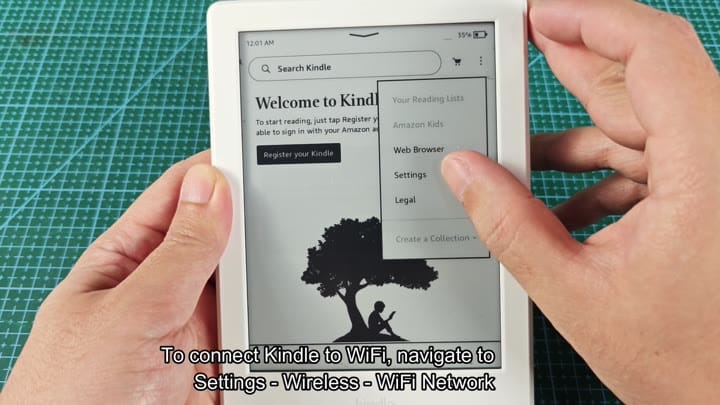
Then you push it.
It’s fast-loading. It won’t use much power on your device, which you like because your phone/laptop/tablet/electronic thingy has pretty good battery life.
Connectivity options is found in the primary settings. Yup: wireless. That’s down below Your Account, near the top. Click that right away. A bunch of toggles appear, under Wireless.
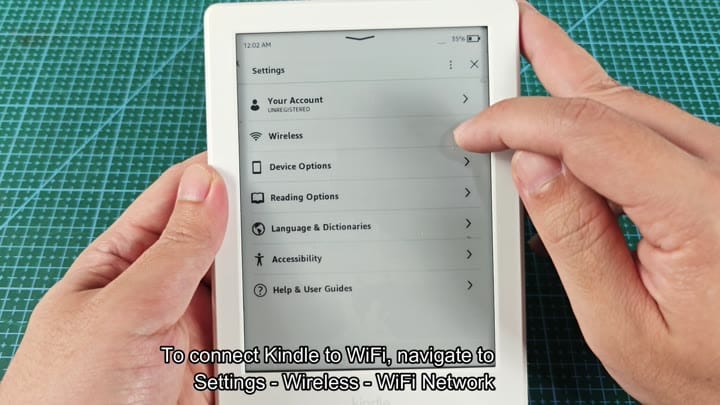
This is a good move because airplane mode is disabled. That’s right, you want to join a network, not turn your radio(s) off.
Tap Wi‑Fi Network, and there are the signals. Looks like a normal neighborhood scan. There they are: Some names onscreen.
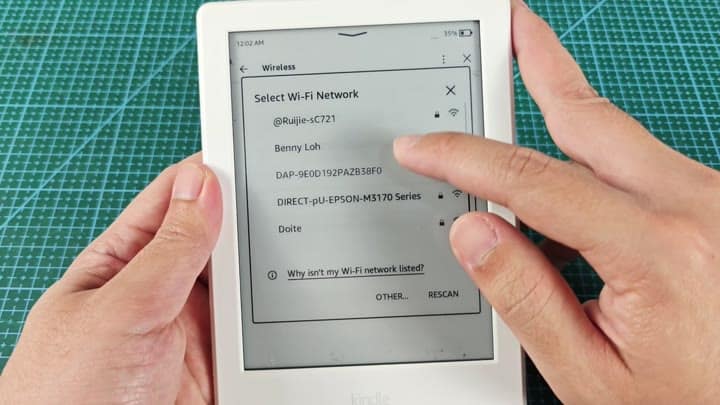
You know some. You don’t know some.
There it is, amongst them all. It is your own house’s router. Tap on your network name.
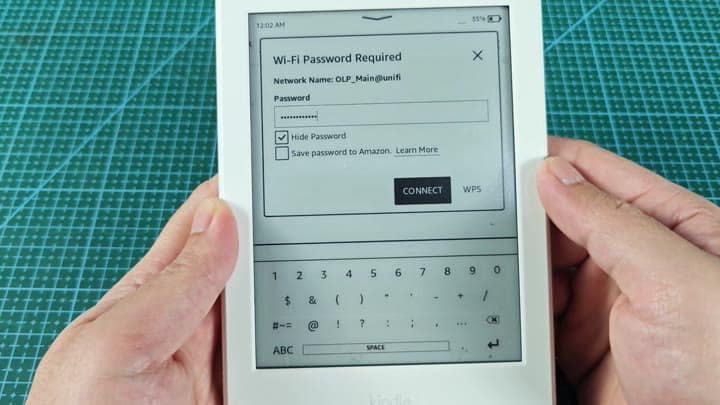
The device request you input a password. Pull out the ol’ keyboard and type away. It displays your characters as dots to protect your privacy. Type carefuly.
Get it wrong? Start again. Look at what you’ve typed. Looks good. Hit connect.
The device takes a moment to process the request. It is awaiting confirmation. Screen goes back to wireless menu. Yep, your network name appear: connected. The status is confirmed.
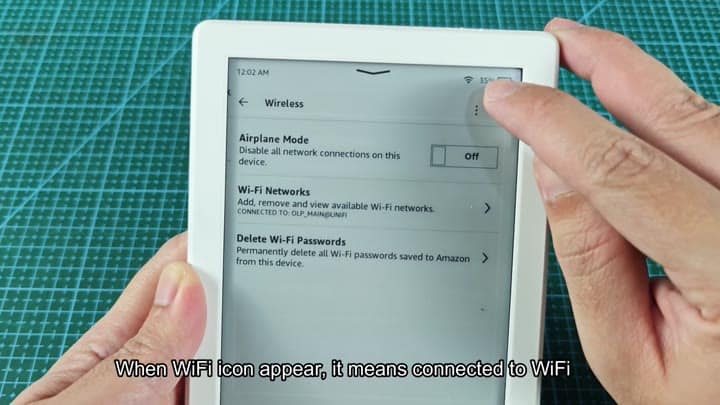
When paired with Wi‑Fi, the device takes on a different role. You can instantly download newly acquired books. It syncs with your library. No need for a computer, the device taps into data itself. And that wireless connection takes care of transferring the material.
But once you know how to get there, the steps are simple: Go into Settings. Then select Wireless. Then select the network list. It is not hard, but it is easy to overlook unless you are looking for it.
Save your password on Amazon to prevent typing it again. Time saver!
Get online and start using the device. That’s what owning means… Getting it online. Otherwise it has a blank screen. Online means thousands of stories.
Wait for that signal icon to come up. It happens fast. It works well enough. Open a book to see how fast it is. It happens instantly. It stays connected. There are no dropouts.
Now it’s all set up. Time to read.
And then you get past the little password dialog box and the focus is on getting connected successfully. The password dialog box is just an obstacle in your path. It is an obstacle as part of the process. It is not anything else.
Overall the experience is good. The menu system make sense. There aren’t any controls hidden away where you have to dig. All the controls are right there in front of you. That makes sense for a reading device. Keep it simple. And they succeeded.
The technology side is now behind you and you’re free to concentrate on the things you want to read. The tech stuff is out of the way. You don’t worry about routers anymore. You worry about plots and chapters. This tool is supposed to help you with that. It lets you read. It succeeds.
If you’re not online, double-check the wireless setting. It’s generally pretty easy to fix. Go through the menu options. Locate the network. Enter the password. Connect.
The interface is fairly user-friendly. This is helpful. Connecting my Kindle to Wi‑Fi was a breeze. Step by step I did it. I got it connected. Success. Good job.
Now you have access to your library. You’ve got your device configured. Time to start reading.