
The spin cycle ends but your laundry still drips wet. It’s odd; the washing machine completed a full load and no error codes appears on the display. Opening the door, you see sopping wet laundry plus some foamy substance in the wash drum. Towels is coming out of the washer wet. Something isn’t right.
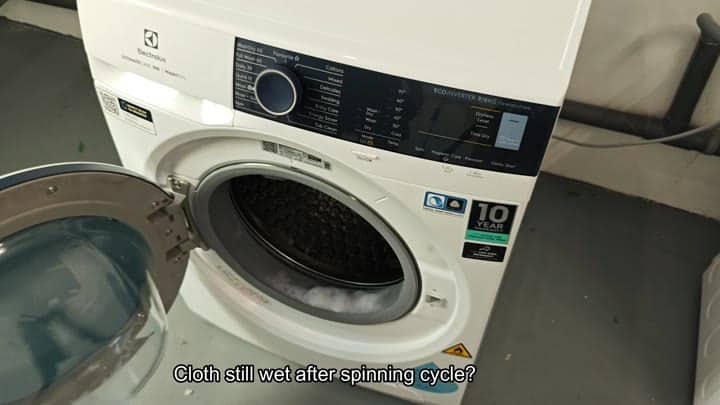
Drying off with a wet towel isn’t cool.
Inspecting Mechanical Components
Check your settings. Occasionally the spin speed will get turned down accidentalley. In other words, if it’s not spinning quick enough you’re still getting water in there. Adjust the dial until you can see that it engage the spin cycle. This usually works.
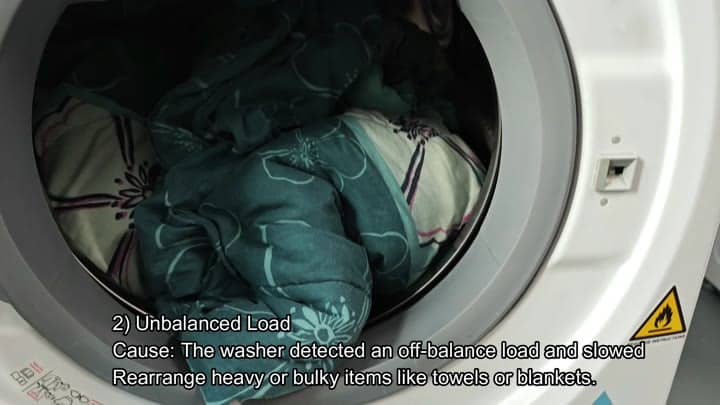
Then you check out what’s in there. Is it all lopsided? Do things look a mess? That’s because your washer notice the load is unbalanced and slows the spin cycle to protect itself from damage. Blankets, for example, may be bunched up on one side of the washer. Rearrange those. Even out the weight.
You rearrange them to distribute weight evenly.
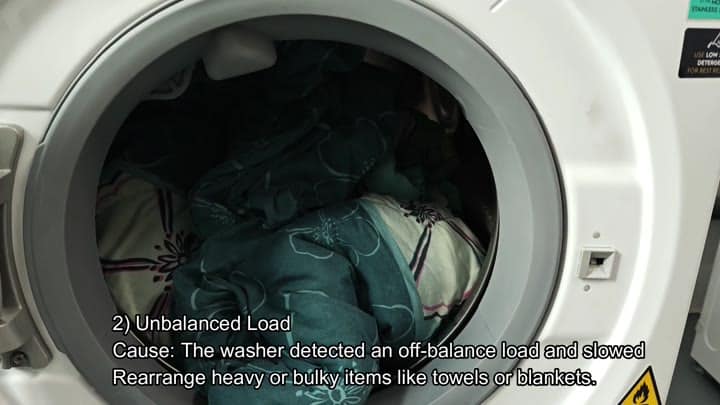
This corrects a common mistake.
This fixes the previous error.
So you balance the load again and run another test. The machine still does not reach full speed. You suspect something is wrong mechanicaly inside.
Open up the casing to inspect the drive belt. Sometimes a worn or loose belt slip and won’t allow the drum to spin as fast as it needs to. The belt appears to fit snugly, but wear can be slight.
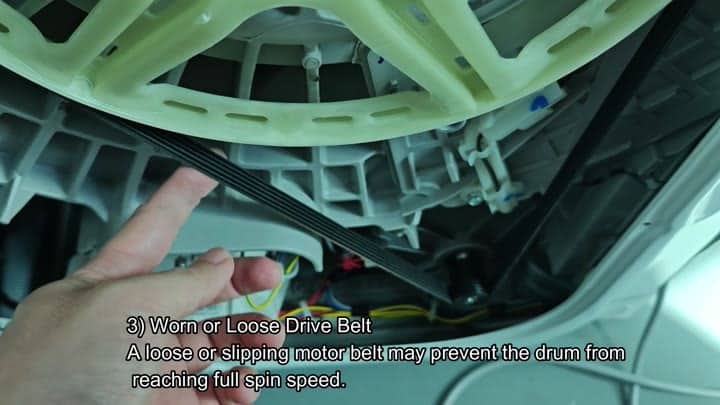
But it’s also easy to look right past it.
Next, you think about a software glitch. Maybe the control board got hung up in some weird state. Perhaps the voltage change and interrupted the spin cycle logic.
You unplug the washer entirely. After waiting a couple of minutes, you plug it back in. This basic reset will clear out minor bugs more times than not.
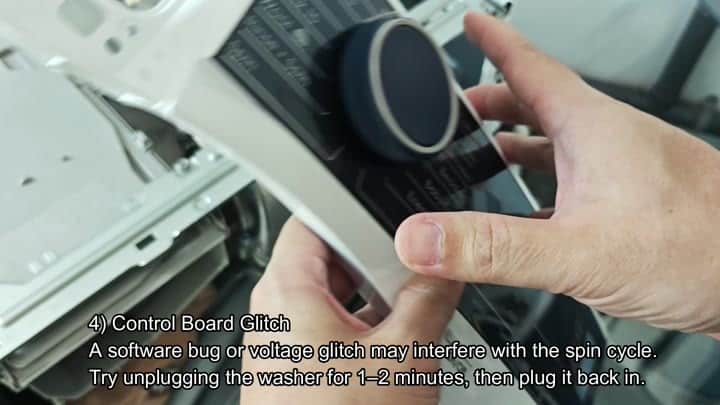
It is worth trying.
Maybe the reboot won’t fix the problem. Maybe it’s a mechanical issue or an electronic one.
Before a drum spins at high speed, it must get rid of water. It has to be able to drain. So you look at the drainage system. This is another really common culprit for clogs.
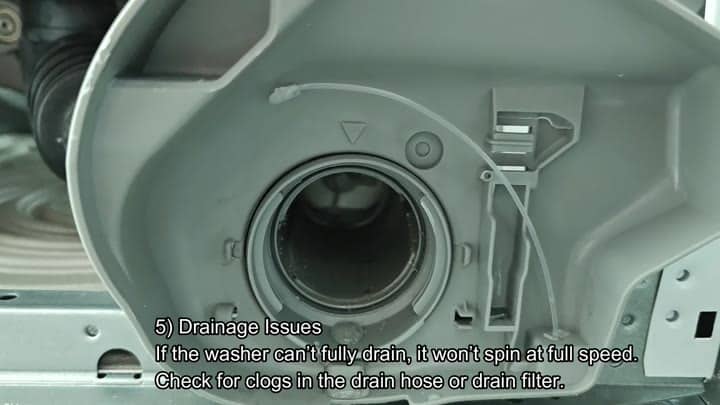
Then you check the filter area and the drain hose. A blockage in the hose prevent water from exiting efficienty. Although it looks minor, it makes the pump work too hard. Remove whatever is blocking the flow. Water flows freely once more.
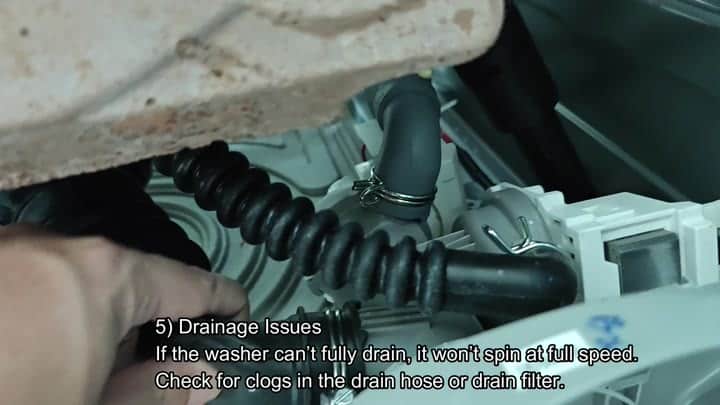
If all else fails, this sounds like a good solution.
You run next test once the load is balanced and the drain is clear. This time the washer come up to full spin speed. And guess what? The clothes are much dryer when they come out.
Turns out it’s a combination of factors. Clearing the drain and proper loading were key. It is done. No call to tech was required. Check the basics first. It would of been an easy fix.