
It’s easy to understand why your Electrolux washer might no longer dispense any detergent. It turns on just fine and appears to be spinning clothes as usual, yet they is left unwashed!
Overfilling the dispenser are a frequent cause of blockages in the detergent flow. Detergent and especially fabric softener can gets too thick, completely clogging up the flow. Many people make this mistake but don’t notice. Detergent and especially fabric softener can get to thick, completely clogging up the flow. Many people make this mistake but don’t notice.
Testing Electrical Components

Because the plastic trays lift out easy, you can even remove the whole dispense basket so you can have a look in there. There shouldn’t be anything blocking the channels. Even if nothing looks blocked when you look at them, you will see more of inner workings once you remove the basket.
The dispense module actualy plugs right into the water inlet solenoid valve that supplies the water needed for proper dispensing action.
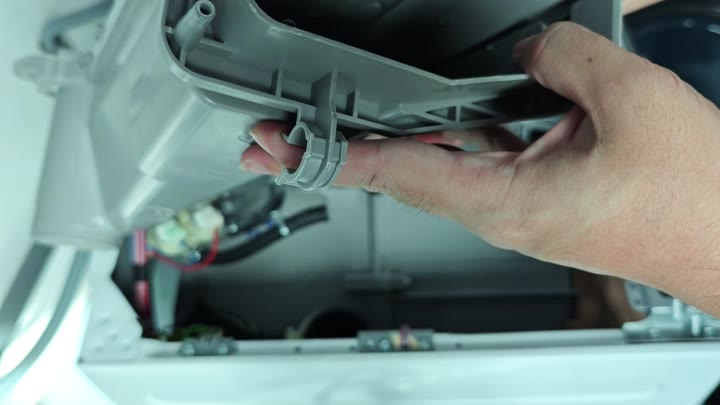
If your dispenser is not working properly, it’s because something isn’t right with supply.
The next thing to test are the electrical components. For this part of the diagnosis you’ll want to grab your multimeter. Pay special attention when testing the resistance of all the solenoid valves.
It’s very important that you record the ohm reading of each valve so you can compare them. You’re looking for near identical values in both of these readings. If you look at them side by side any problems show up right away.

If that’s the case then any mismatch mean one of your valve units is bad. You’ll need to find out which one isn’t matching
It’s a snug fit, but nothing complicated, just take your time and be careful when removing hoses. Use pliers to free up the lines from the inlet assembly because a faulty solenoid inside the valve means the washer will not fill correctly.
This is important to the entire system and a problem with the water input supply also impact the dispenser.

That makes total sense if you really think about it.
Plug the probes into the terminals and you’ll see nice numbers on the digital multimeter‘s screen. You might read about 5.4 kilo-ohms on one of the valves, which is normal resistance reading for these components. Each solenoid valve should typically has comparable resistance readings; test the remaining valves as well.

You have to spot which one’s out of line with the others and if it differs greatly, it’s faulty, dead.
But then you might get another read from the second valve and it reads completely differently, showing a noticeably different resistance than previous. If that’s the case then that valve is obviously bad and needs some attention.
It will fail to operate correctly when pressurized. This also means it’s flagged for replacement right away. The difference in readings immediately verifies your hunch.
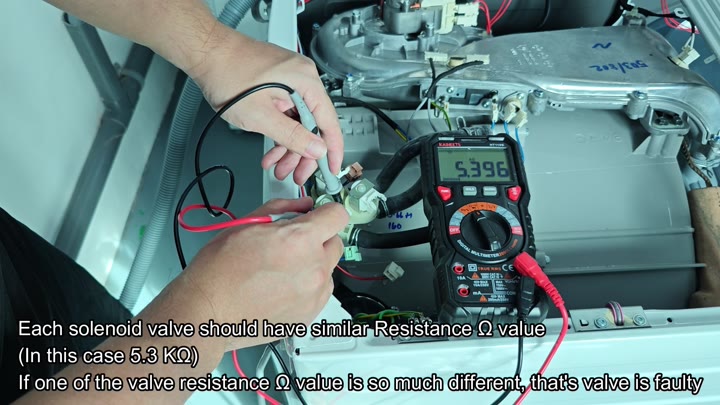
At least this time it was something easy to diagnose and therefore you know which part needs replacing.
So the final step in this test will be checking the 3rd valve which has just about the same resistance as the other good one. That proves it was the 2nd unit that went bad and we’re now all set.
Replace just the bad solenoid valve, and you’re back in business with a normal functioning washer dispensing detergent. You do not need to replace the entire drawer assemblys.
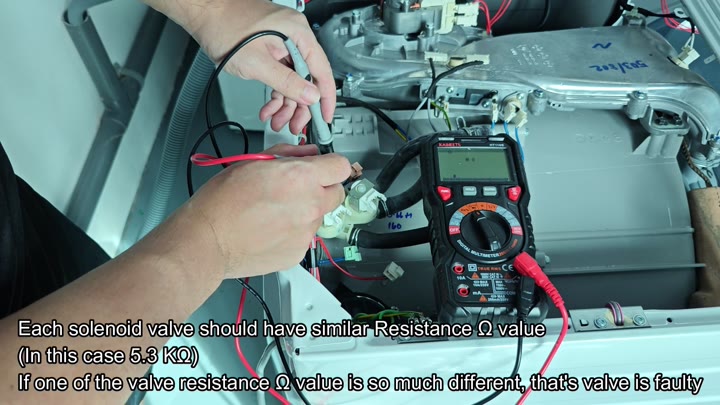
A service call fee is avoided by this troubleshooting procedure, since diagnosing is quicker then shooting in the dark. Most of the first-time issues arise from overfilled drawers, but an electrical fault on the inlet valve can happen too.
A multimeter is your friend here, understanding its use will help you diagnose, converting fuzzy symptoms into crisp data points that lead to repair.
Honestly the problem was a lot simpler than I thought it would of been and no rebooting of routers or updates to firmware were necessary, just some simple electrical testing and visual inspections went a long way.
Now it’s back to washing clothes the way they should have been from the start, with detergent flowing freely through the channels and fabric softener spreading evenly on every load. So overall you should be pretty pleased with the results.