
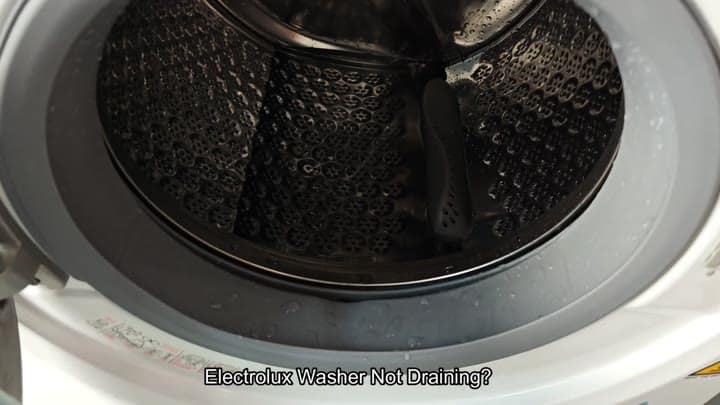
An Electrolux washer that fail to complete its cycles leaves standing water in the drum. It’s annoying to have to troubleshoot, but rest assured: it’s typically caused by one or more fairly easy-to-fix thing.
However, there are many places to look, so let’s rule out everything that might be wrong. From a hardware failure big enough to require replacement to a tiny software glitch, here are seven likely culprits.
Troubleshooting Draining Issues
Electronic controls can gets wonky, and the first step is always a power cycle. That means you select a different cycle and unplug the unit for a bit to reboot the system.
Sounds too easy? It often fixes problem right away. If it’s a software error causing the problem, the washer will start functioning properly after this type of reset.
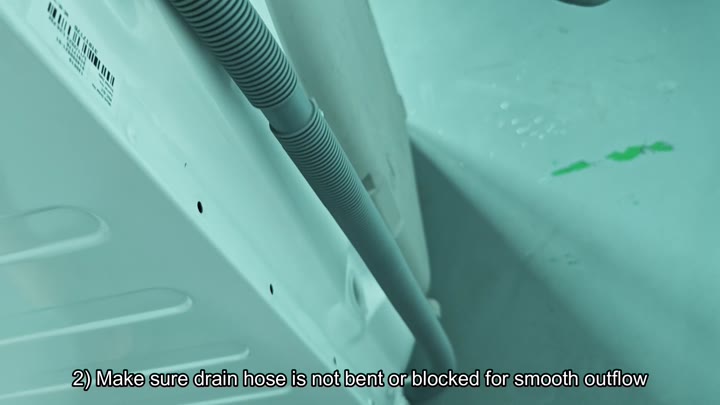
If that fails, then you look at drain hose because it’s frequently blocked here. The cause is often kinking or some other physical blockage preventing free flow out off the hose.
You simply run your eye down full length of the hose for any obstructions or bends. Sometimes even the slightest bend will completely halt the drain process. Opening up the route usually gets it running normaly again.
The other common problem is a pump filter on your washing machine. This filter collect lint and debris that build up in it over time. If the filter becomes blocked, it won’t let water out of the machine effectiveley.
First you’ll want to remove all standing water out of the drum until the water reaches a low level where you can get at it. After you clear it out well, the filter will clean up nicely and allow the washer to function propery.
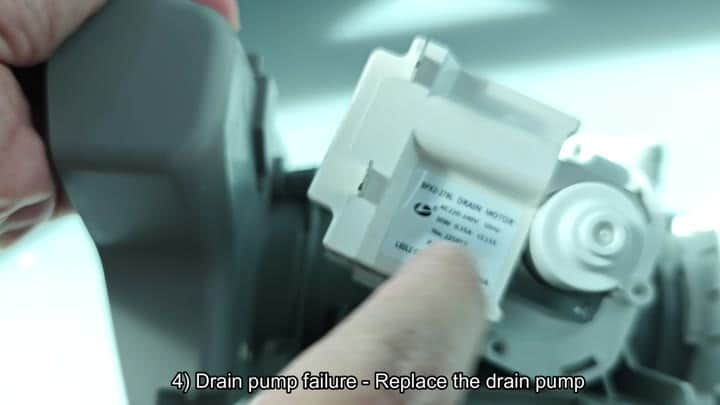
If it’s still not working after you clean the filter, then you start thinking about motor issues. The pump may be entirely shot and need replacement. It does not make enough suction to pull water through.
When that happens, you just replace the pump and now you are able to remove water propery again. This is a straightforward fix for a mechanical problem.
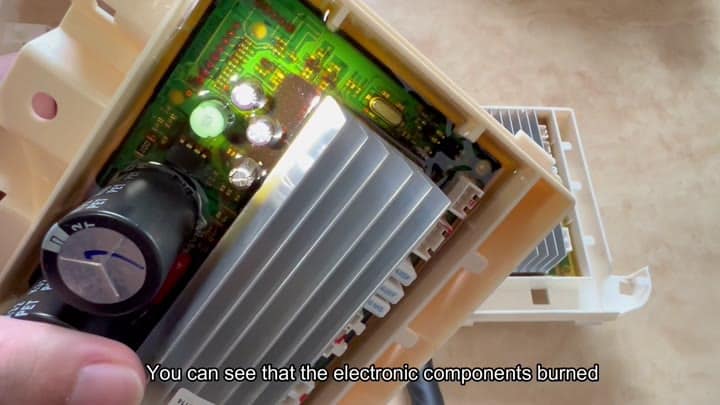
Electrical components are also susceptible to burning out from age and voltage spikes, so you look at power module or main control board as well.
If you open it up and see damaged component on the PCB or even some sort of scorch mark, it means it’s not putting out the right signals anymore. That is a hardware issue where nothing gets washed and it doesn’t drain either. Replace the board.
Finally, a bad water-level sensor can also lead to draining issues. When the sensor fails, it’s unable to get an accurate reading of how much water there is in the tub.
For example, the sensor might send faulty information saying the tub contains no water. The machine won’t start the drain cycle because it believes the tub is already empty. How do you test this part? It’s to determine whether it’s sending back accurate results. Faulty info is what stalls the machine from moving on to other steps.
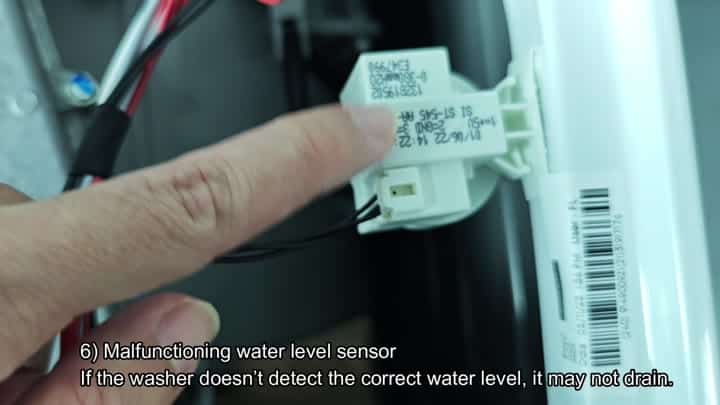
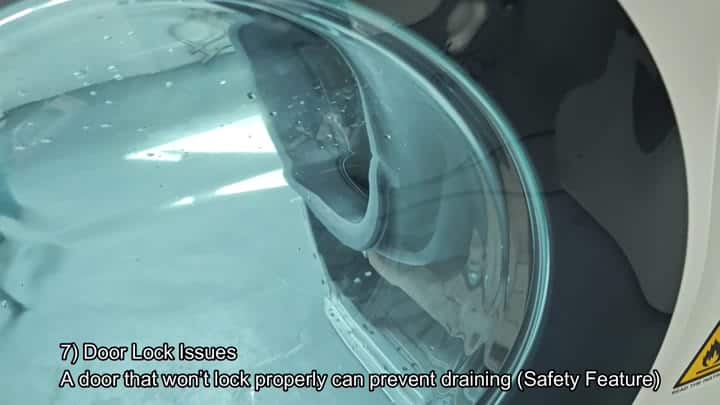
Lastly, your washer will not drain when the door won’t lock properly, as safety features prevent the machine from operating.
Why? Because there are safety mechanisms in place that block the washer from draining if it doesn’t think the door is locked. And it shouldn’t. It’s there to protect us. The solution is to make sure the door locks and shuts propery.
Start with the easy solutions: that’s how to troubleshoot your Electrolux washing machine, go through every possibility slowly to prevent spending more than necessary on parts and repairs.
Electrolux washers are not hard to fix if you take a systematic approach, starting with simple fixes before moving to complex repairs. There might be a minor obstruction, or more often, the sensors fails, but the whole machine is rarely broken.
Many of these problems are prevented by regular maintenance, and these insights will help you to get your washer back on track. Reducing wear on the machine is as simple as keeping the hoses clear and filters clean. You should of checked this sooner.
Small signs of trouble aren’t ignored early on. They’re addressed promptly, avoiding bigger headaches down the road.