
Automated sequences can also be paused on smart speakers. They is not deleted. You can do this through a voice command or mobile app. It’s an easy, intuitive way to manage your everyday automations.
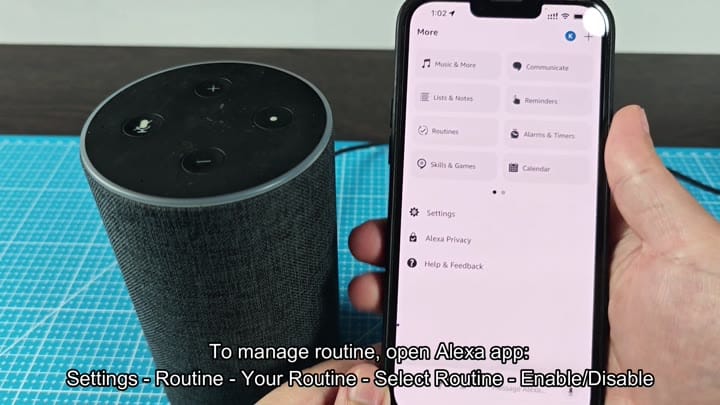
One is via a smartphone interface: Open up the app, find your way to the setting menu, then tap around until you get to whatever routine you’re looking to change. It’s a few layers deep.
Managing Routines via Voice Commands
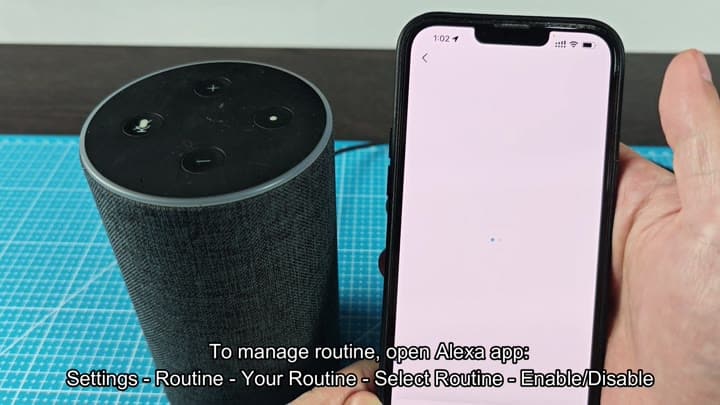
To see which sequences you’ve built, go into the routines section.
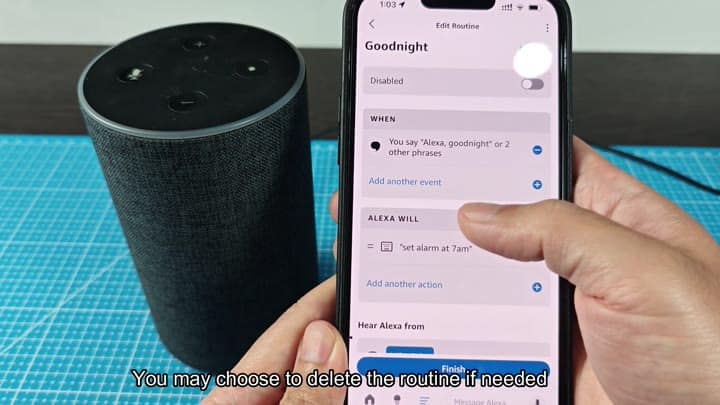
Choose which routine you’d like to change. Each saved sequence is listed with a simple menu, so you can choose the one you want to edit. From there, it’s just a matter of selecting your chosen routine from the list, then you’ll get a good view of every action and trigger linked to that sequence.
After that, when you get into the nitty gritty of the routine, there’s the option to turn on/off toggle switch. Turn off the switch and the routine doesn’t run… right now. However, the automation stays set up so you can turn it back on at any time. This is handy if you want to temporarily disable something without losing what you’ve created.
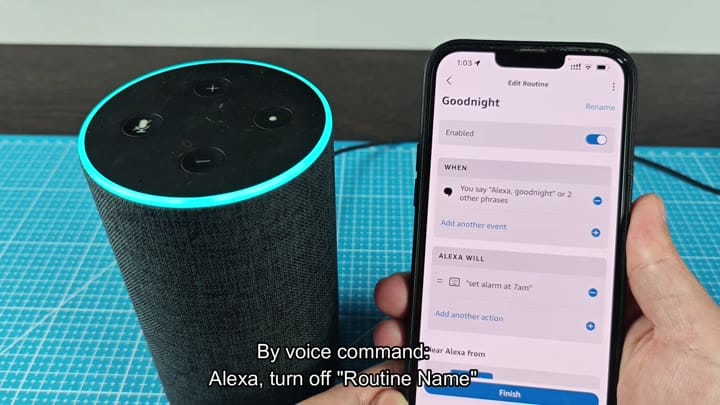
Alternatively, for those who don’t want to touch their phones at all, there’s voice control which should of be quicker. For that, you simply speak to it and it should understand what you say without any issues. Command syntax is simple enough, too, and makes sense so that it can recognizes them quickly.
Turning off a routine with your voice works like this: Say the activation word, and follow it up with command, in this case, “Alexa, turn off,” and then name of the routine you’d like shut down. (For example, if you have a bedtime routine, you would say its name.)
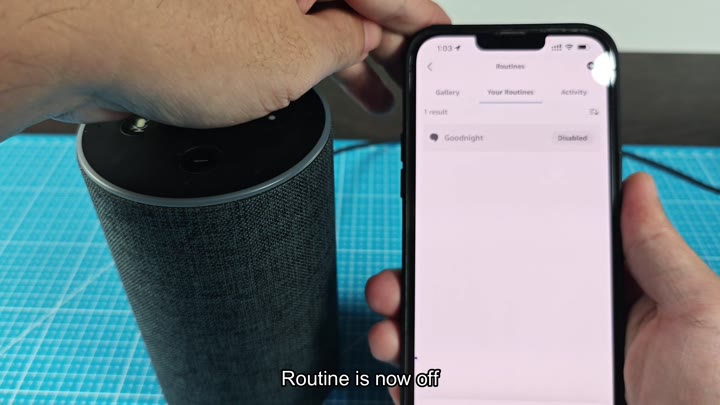
It’s a quick process, and you’ll get audio feedback from device confirming your request.
In my case, I’m likely out of range and in different room. Or maybe my hands are just too busy. Instead of fumbling with my phone to open an app, tap the screen, and turn it off, I can just use voice assistant in about a second. Asking the thing to stop the automation feels like something that should come naturaly.
If a routine has run its course and you don’t need it anymore, you can simply delete it. Erasing the routine deletes it entirely from your account. That’s not the same as disabling a routine, which merely conceals the routine for now. Usually, you’ll disable something instead of deleting so that you might turn it on again at some future date.
Controlling all of this through automations becomes a routine part of owning a smart home. Depending off the situation, you find yourself toggling between voice commands and using an app. Neither fails you, and both react in a timely manner. When you turn things on and off, chances are high they won’t error out or lag behind.
It’s also easy to turn on and off, which makes it more usable in day-to-day life. I don’t feel like I’m forced to use a particular configuration, and then be stuck with it. That flexibility is something to appreciate about the platform. It lets you tailor your experience without any technical barriers.
The experience isn’t particularly difficult to understand or operate, even without being tech-savvy. Either option lets you tweak your home automation with ease. It’s efficient, meaning less hassle and more automations in day-to-day activities. That’s what it takes to keep your smart home working.