
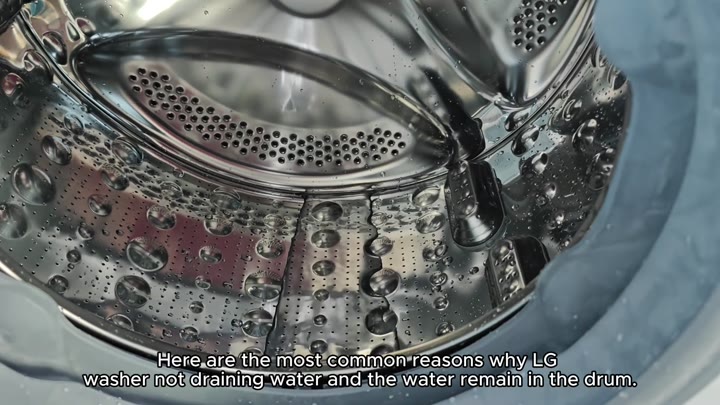
One downside of owning a front-loader washer: You get left with water in the drum at the end of wash cycle. It’s never realy a mystery why this happens. In most cases, it come down to a few specific components that simply failed to do there job.
The first simple solution is this. Sometimes the control logic will get frozen by a software glitch which causes machine not to move forward into drain phase. Before you open up a single panel, try a power reset. Turning off the power for several seconds and then powering back on reset the control software. After that, just selecting a different new cycle typically clears the error. This is an easy fix.
Inspecting Physical Components
However, when a restart doesn’t work you next look at physical path of water coming from machine. A primary suspect here would be the drain hose. Even though the pump may be functioning fine kinking or blocking off that drain hose will prevent it from draining. Clearing anything obstructing the hose allow it to flow normally. This makes sense.
Next on the list, when the hose is clear but water remains is the pump filter. It’s a tiny little trap for coins and other lint that will clog and prevents the pump from forcing water through. First thing, you need to bail out any extra water before removing the filter. You must clean filter of any clogs until it can move freely.
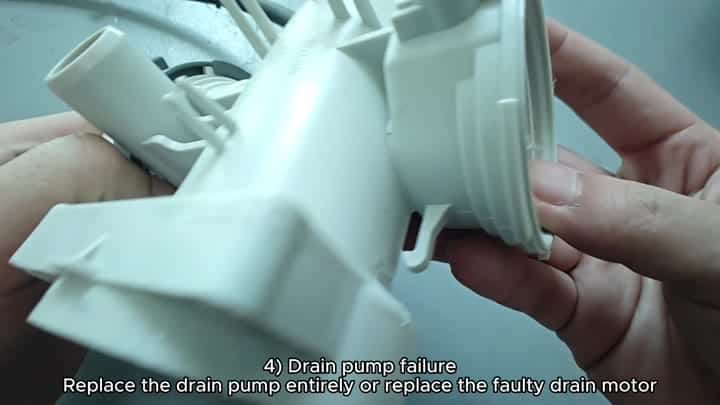
Then there are times when it’s the pump. It could be that your drain pump assembly are dead. If the hose is clear and the filter is clean then it could be the pump. So you remove front panel and check out the innards. Sometimes the entire pump motor fail completely. In this case, you need to replace either the entire assembly or only bad motor. This one doesn’t get cleaned.
Electrical failure is another thing that often cause issues. So you look at main control PCB and power board. Is there any evidence of burnout? Are there melted components? Are there scorch marks? Those are sure signs your board has burnt out. This means no signal are sent to the drain sequence. Weird right?
So what happens? The water-level sensor is critical here. That sensor tell the washer’s logic if there’s water or not. Without it working properly the washer think there’s nothing to drain out.
You’ll see by removing it that the sensor can be bad. It’ll just stop wash cycle when the sensor doesn’t work. It is a classic error.
Lastly, the door lock system need to work properly, out of safety more than anything. Without being able to tell if the door is locked, the washer won’t drain. So if the lock fails then it stops the whole operation. It’s a pretty tough lock safety interlock.
Those seven components covers by far most of things that can go wrong when your washer is trying to drain. Hardware to software is an efficient approach. Most of it are easy to troubleshoot and you should of checked them first.