
A Shark cordless vacuum that won’t turn on its brush roller is a very common issue. It’s one of those problems you can have where you pull the trigger expecting it to come to life and clean but nothing happens. The suction might be present, but without that rotating brush, deep carpet cleaning are impossible. Here are the primary causes for this particular issue and how to check step by step if any apply to you.
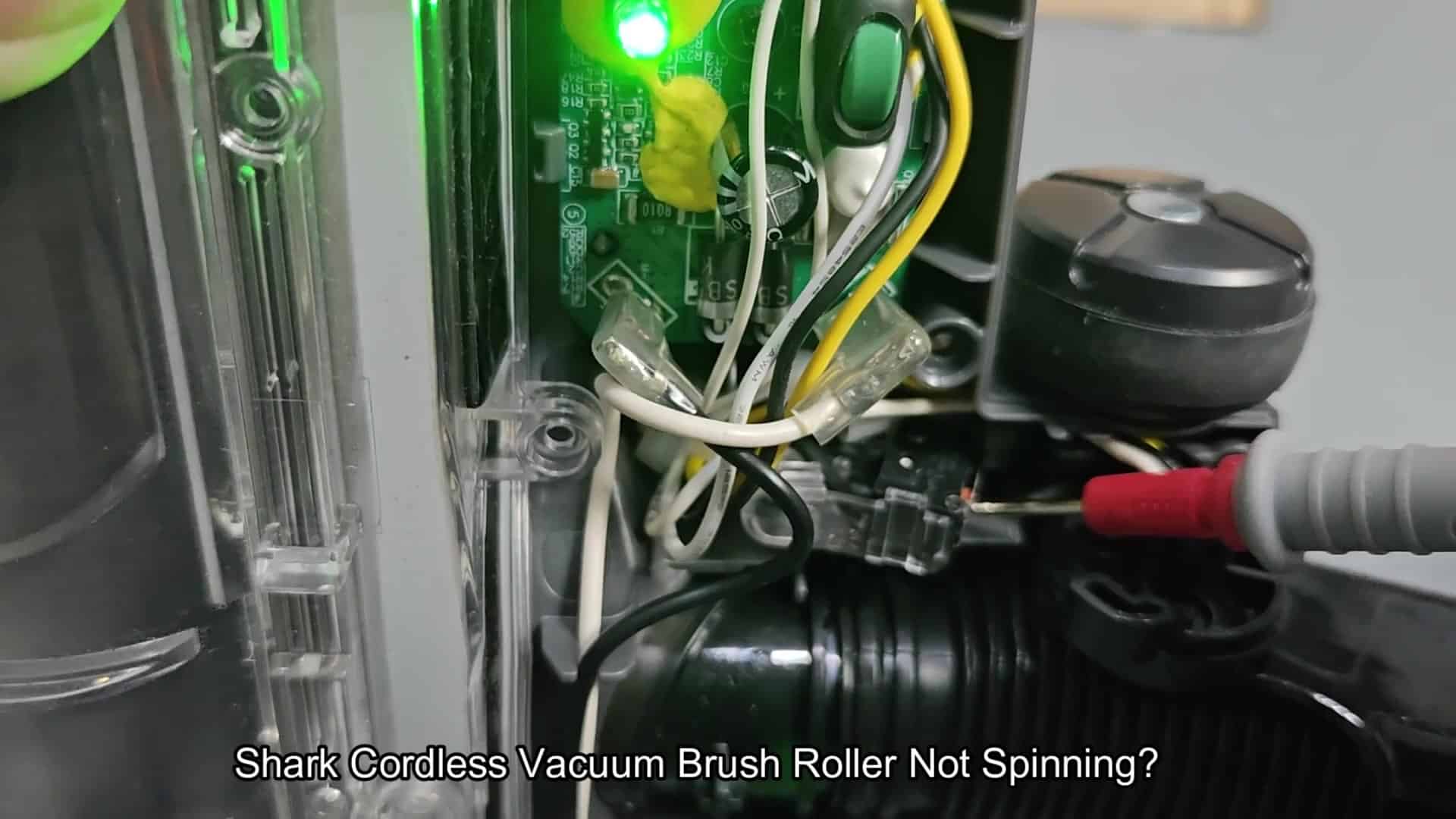
First look at your brush roller. The ends of the axles will frequently have hair and other fine trash wrapped around them. That cause friction which the motor can’t overcome. Simply trim it off with a good pair of scissors. Do it carefully, because you don’t want to do too much damage. After cutting through the mess, spin the roller by hand. Once the obstruction is cleared, the roller spin freely by hand. This is an easy fix. It is a simple repair.
Checking internal components and motors
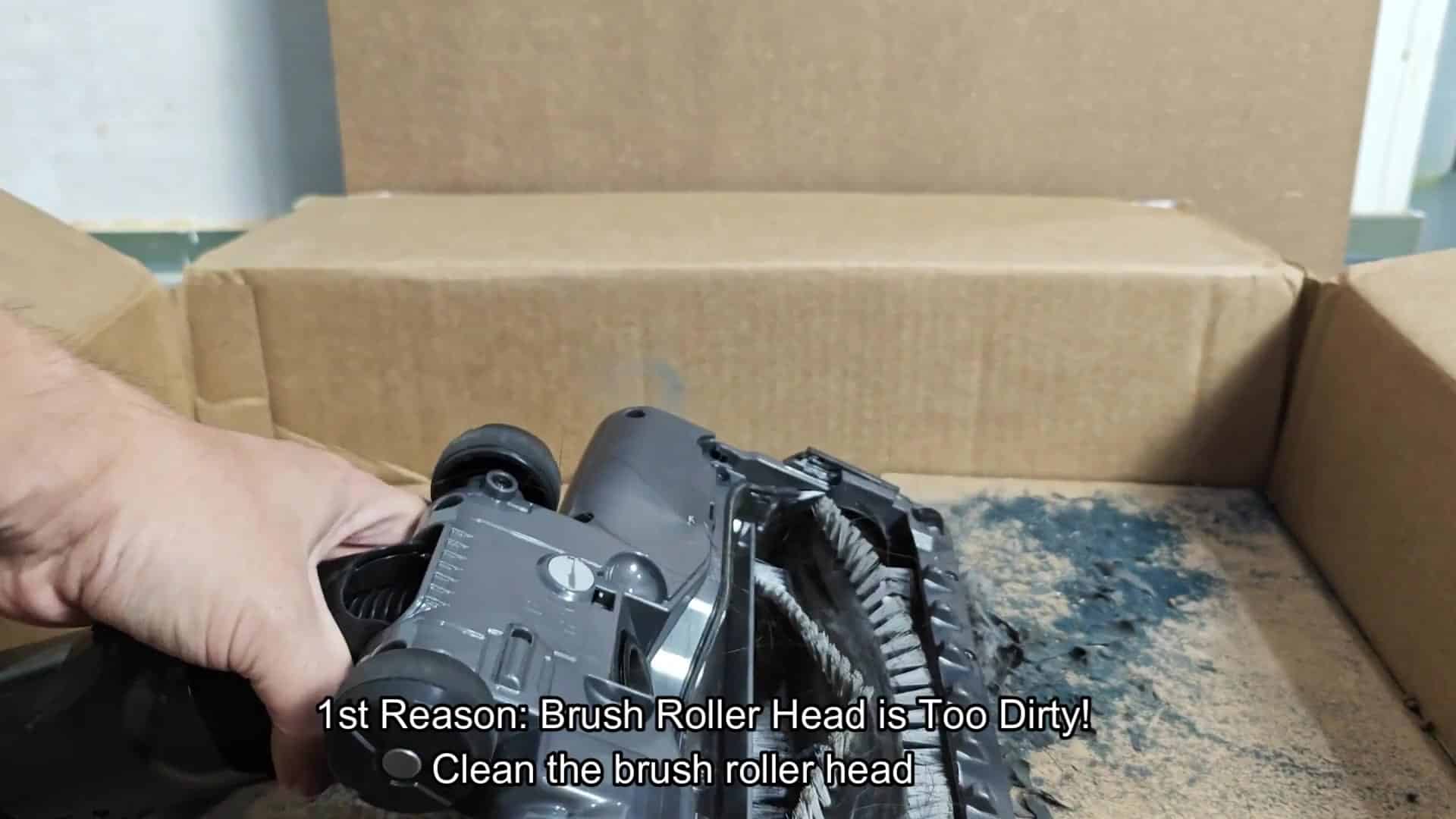
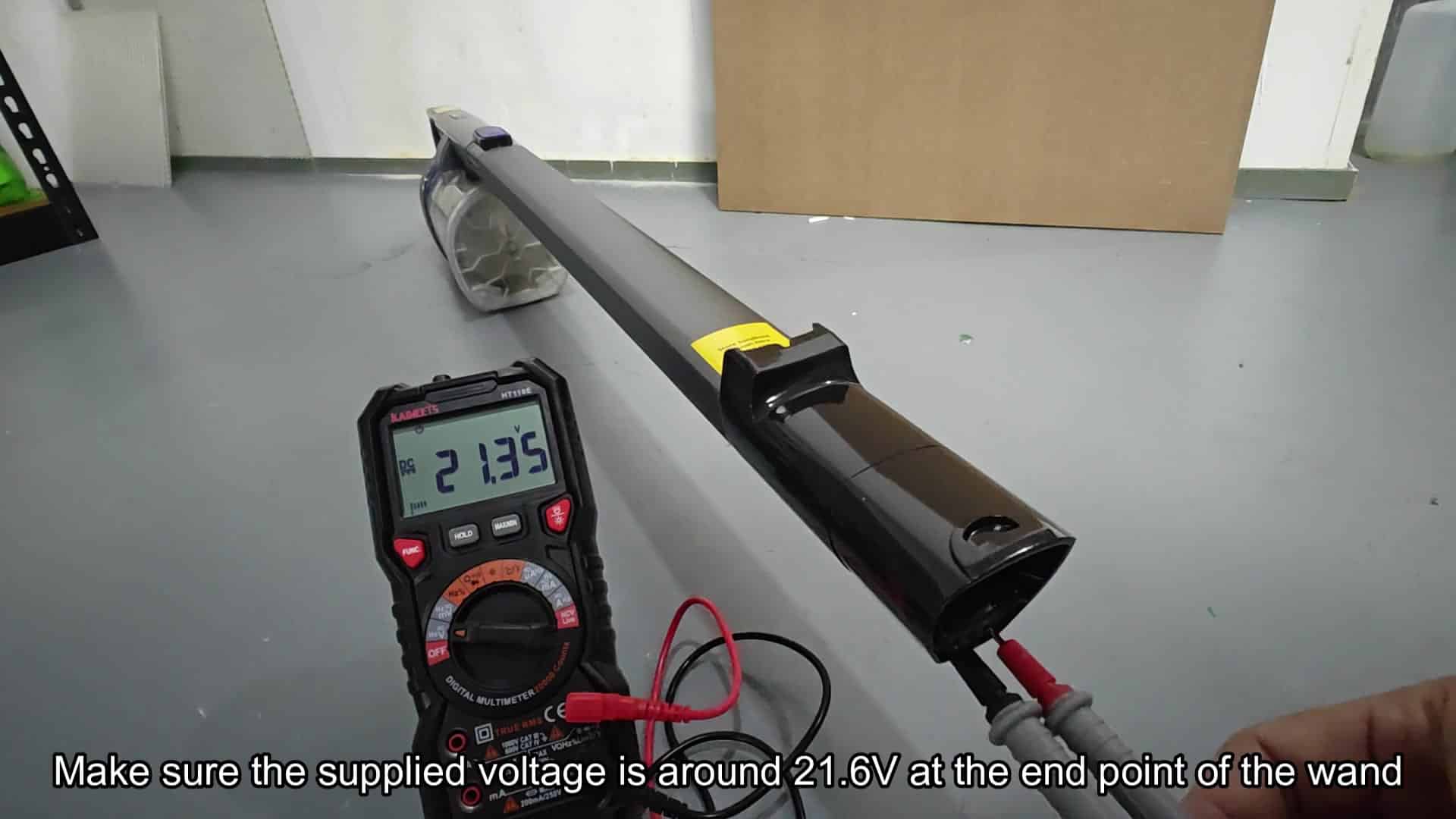
Now, if that doesn’t fix it, then make sure you’re getting power. There’s also a certain voltage that the brush motor need to work properly. Check your voltage at the point where your head connects to remainder of the unit using a digital multimeter. For this model, you’ll want to see about 21.6 volts. If it’s barely registering on your meter, it probably won’t work well at low power.
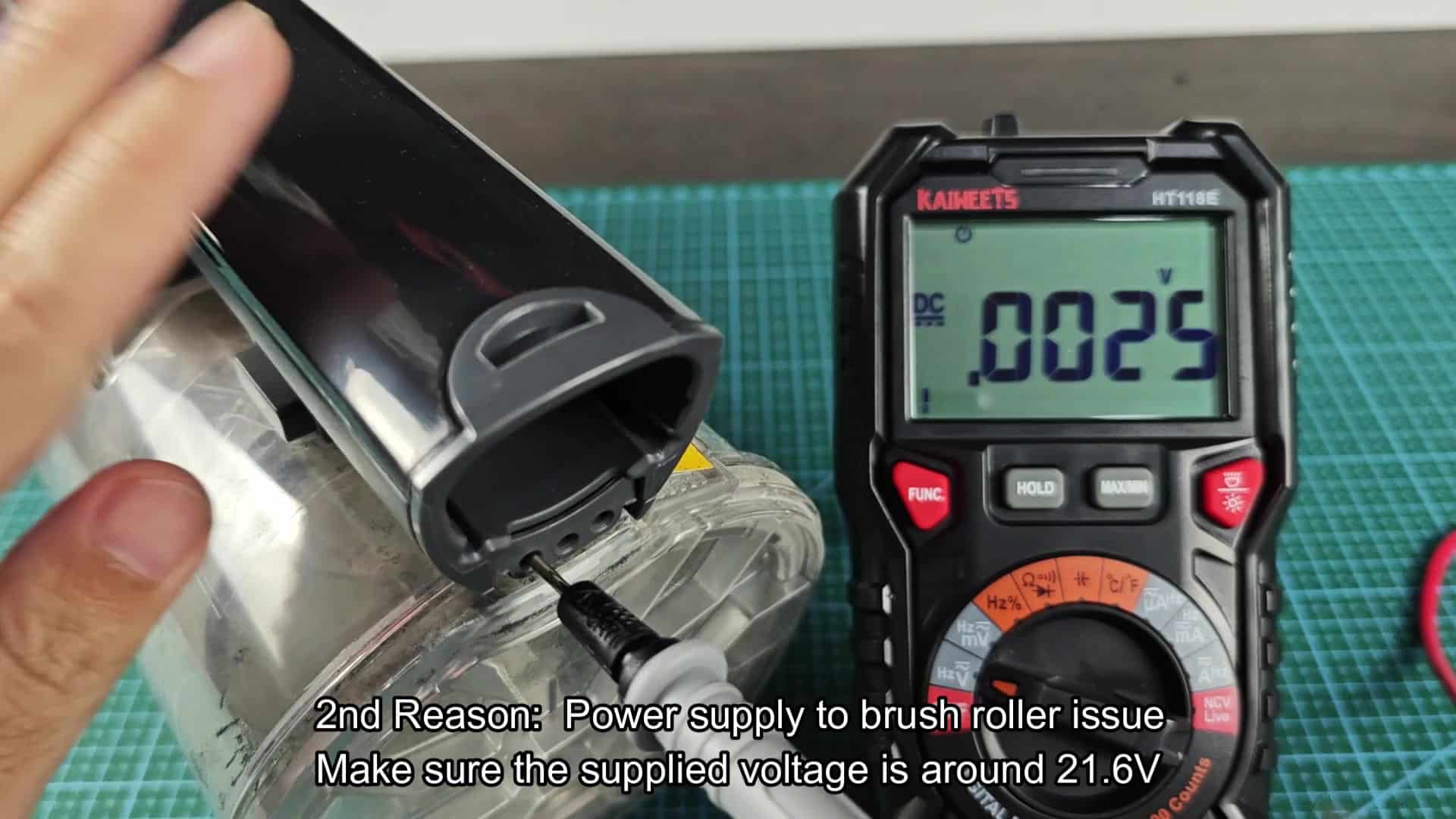
So when you get a steady voltage read, then yes, it’s good because you know the handle/battery primary power is running down to the connector. In other words, the juice is making its way to where it needs to go, to the cleaning head itself. But half of the equation is having the power make it to the connector. Then it has to go up the wand assembly and into the head where it powers the motor. If something are broken along this route, everything will be shut off cold.
Another way to eliminate an issue with the extension tube is to remove it completely. Attach the brush roller head straight to vacuum body (no wand connecting them). Running the direct connection test will help identify if failure exists somewhere in the wand. If the brush still turns when connected directly, then the issue is indeed in the wand. The wires inside the wand can break, and bending the wand can cause a loss of electrical connection over time.
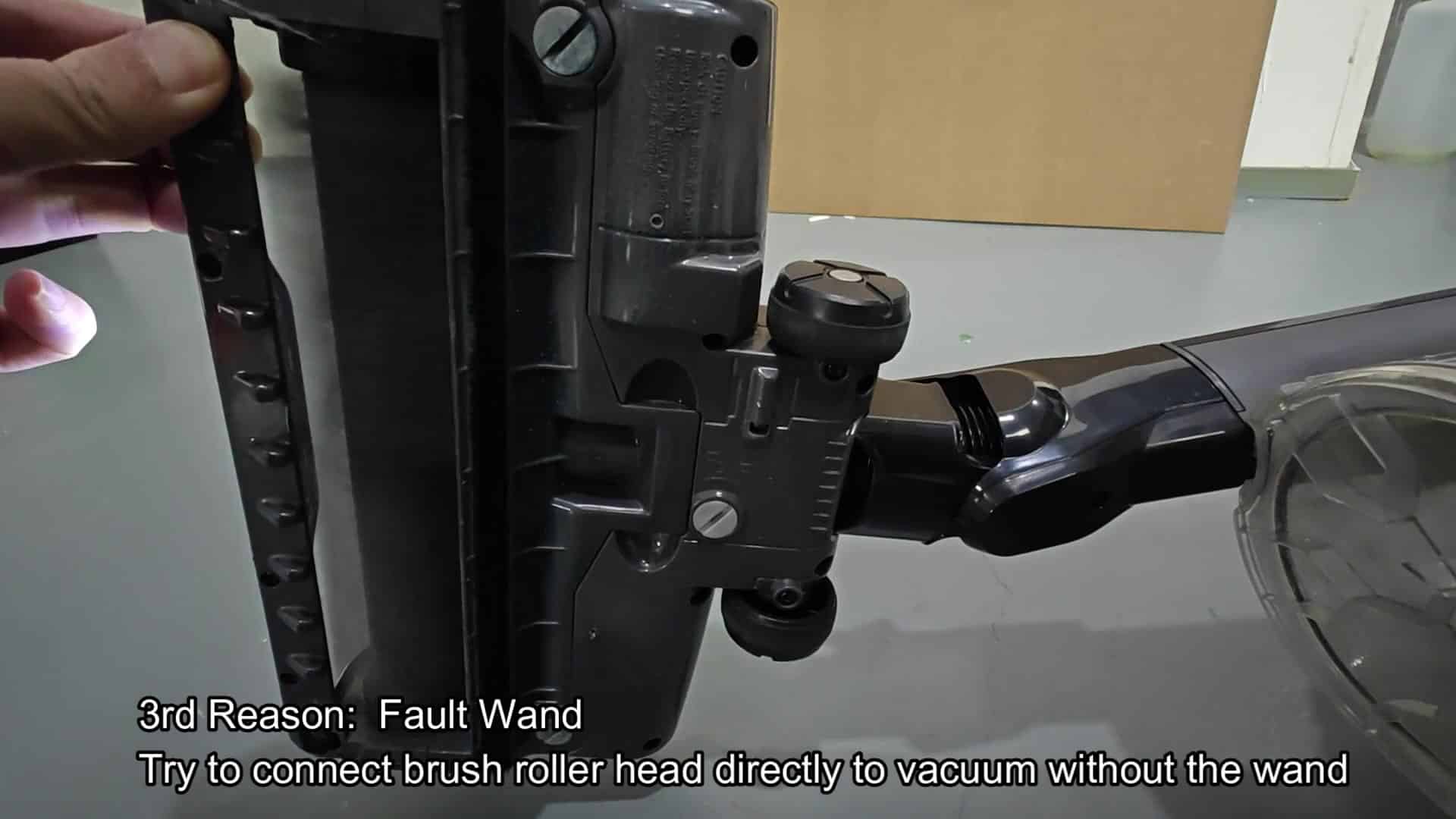
With a multimeter on resistance, you can also use it to verify the wand for any open lines. If there’s an overload reading on your display screen, that means you have an open line. If you do find a complete break in the circuit somewhere along the section of the wand, that confirms the wand is bad. In this instance, you’ll see almost no voltage coming out of the wand at its end. That keep power from getting to the brush assembly.
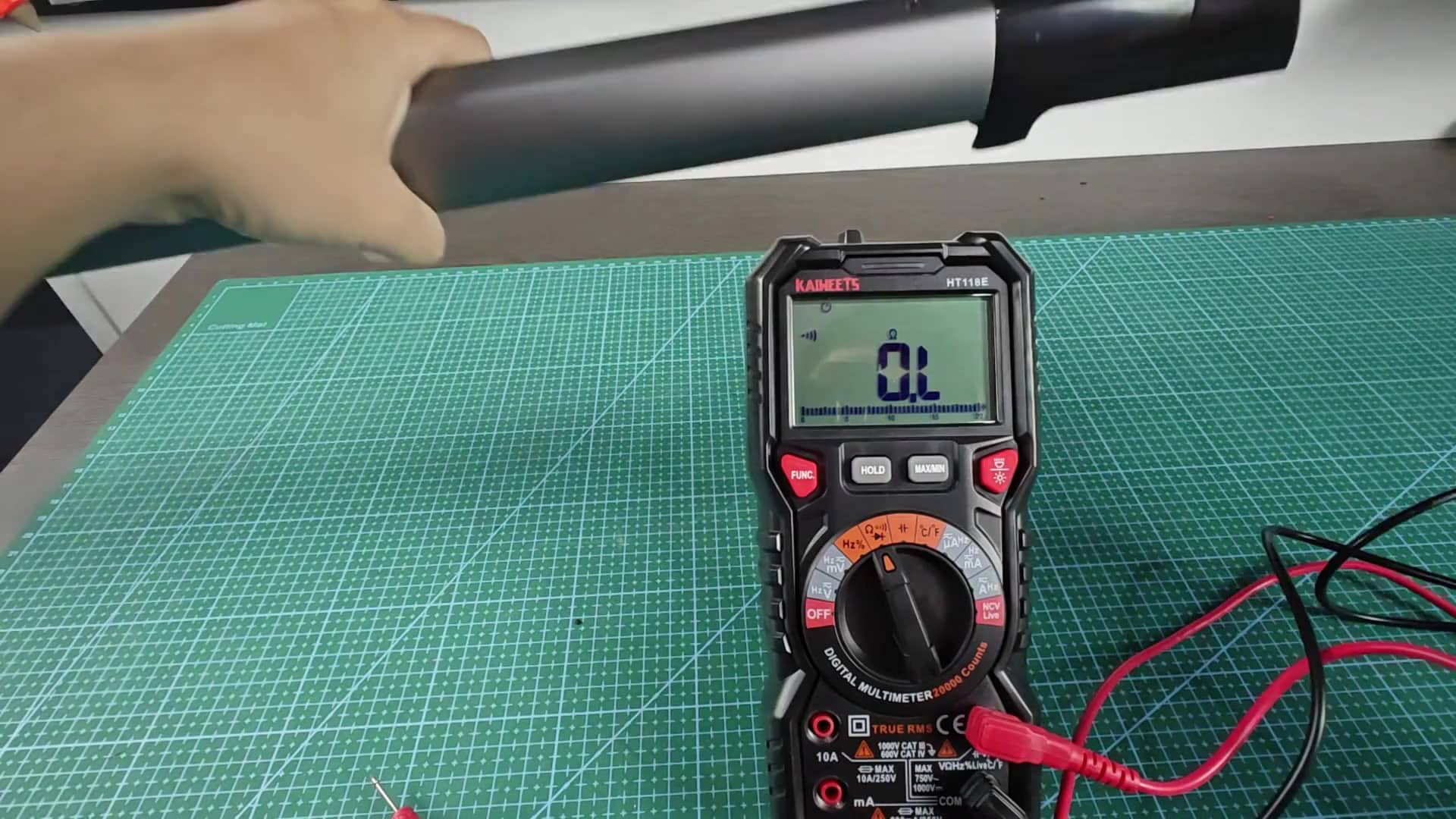
Bypassing (or replacing) the bad wand brings voltage flow back to the appropriate level. So you see 21 volts once again at connection point. This is a good sign. However, if it’s confirmed that all the power are present and yet the brush refuses to spin, then something inside the head is the problem. Time for more invasive troubleshooting measures. There’s nothing simple left here.
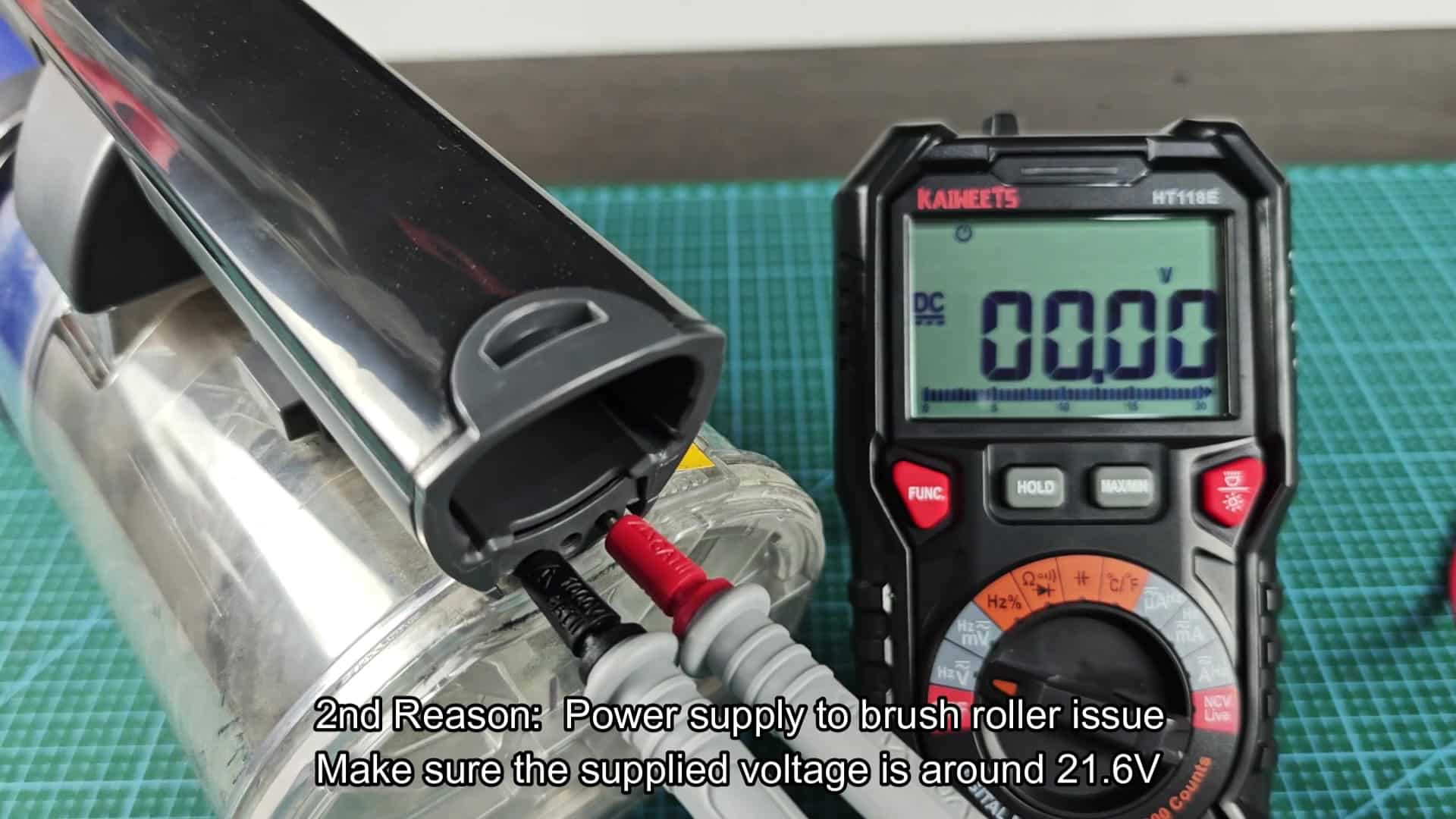
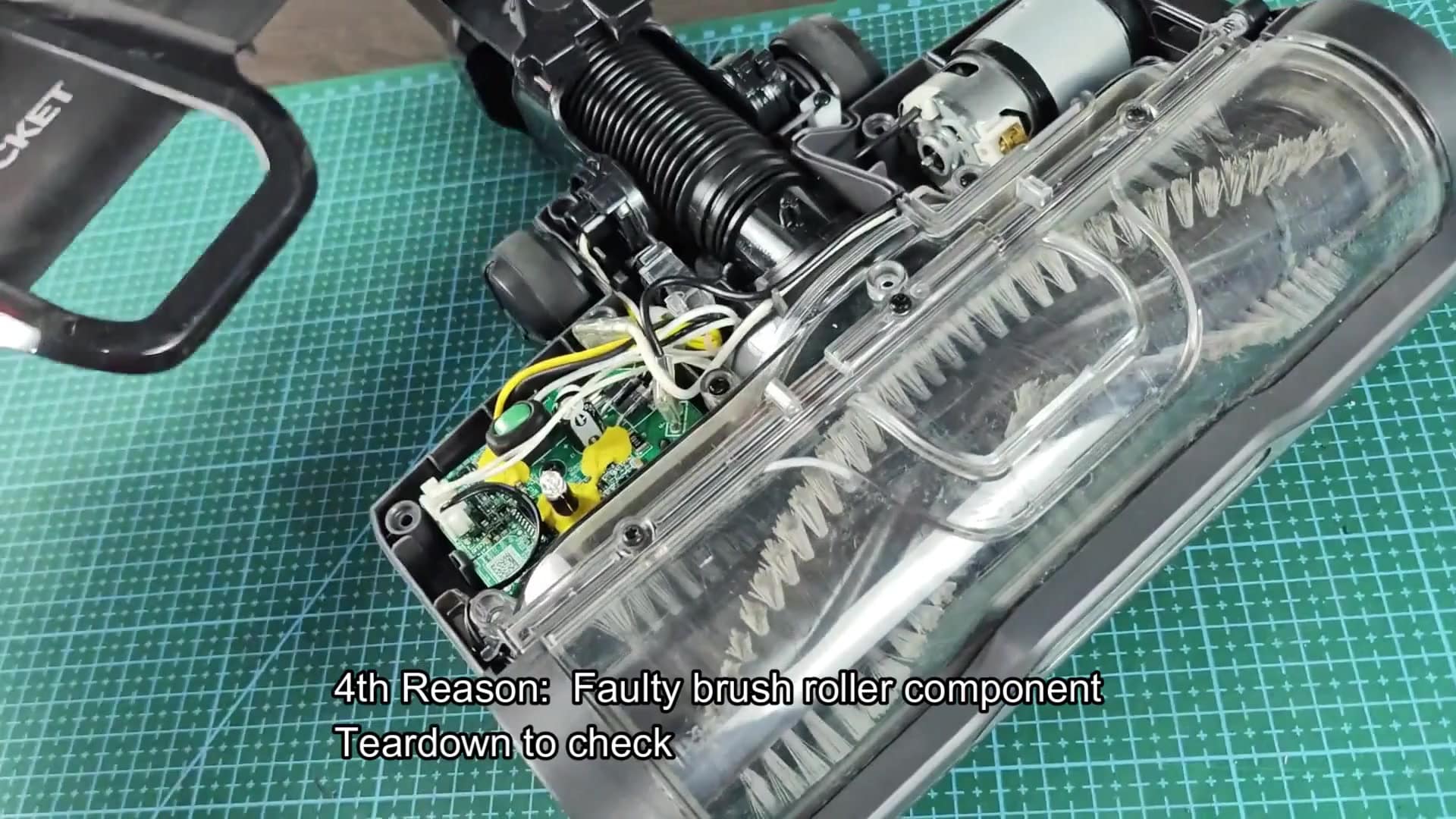
Removing the vacuum head opens it up to see what’s inside. This includes the motor assembly, the circuit board and wires all jammed in there together. Sometimes just looking at them you can spot some pretty clear signs of something wrong such as burned out contacts or loose cables. You’ll also know that at least the board itself have power when the green led lights up on the board.
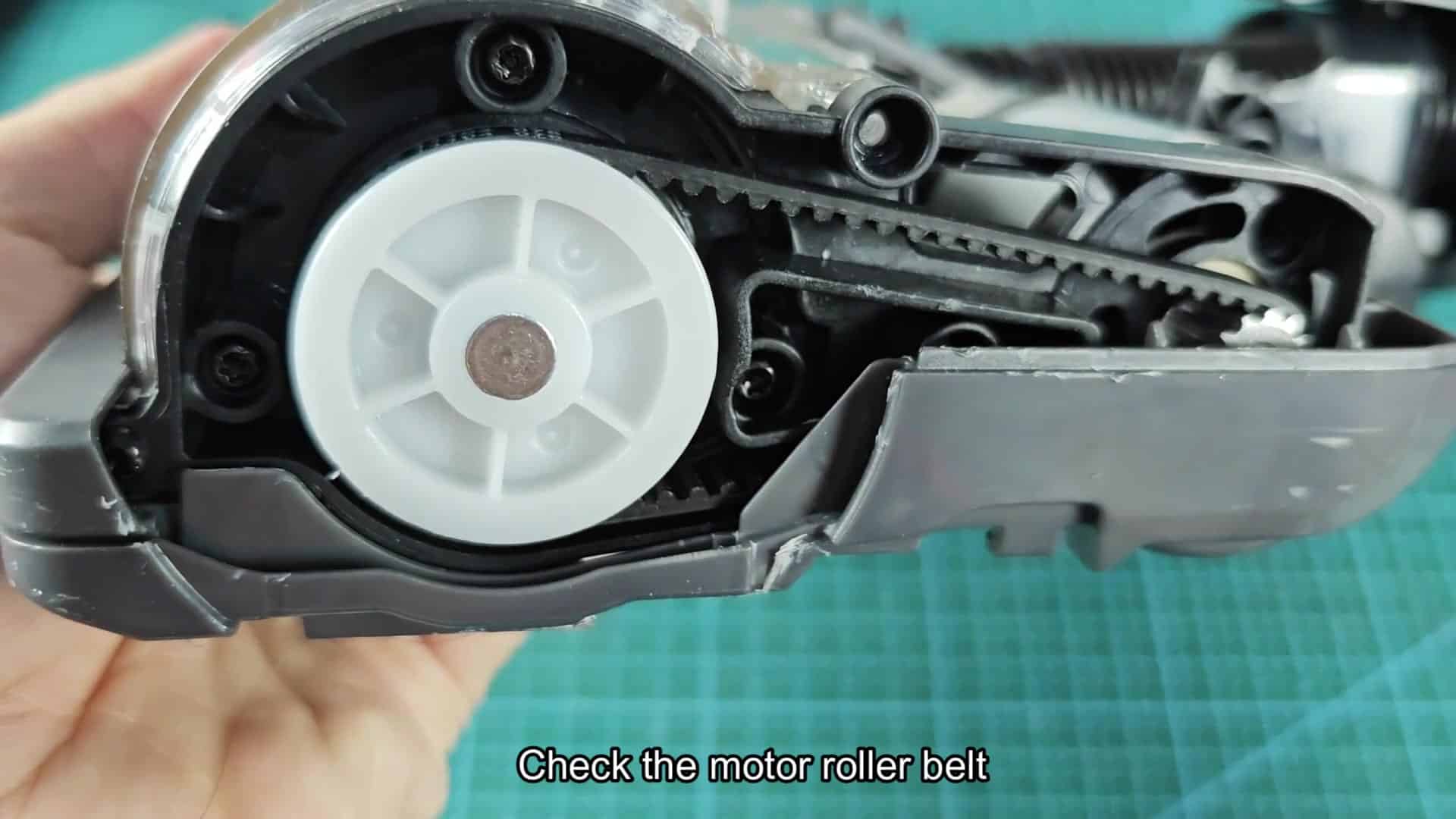
The drive belt runs from the motor pulley to the axle of the brush roller. It’s a toothed belt; if it slips off or snaps, the brush won’t move even though the motor is still running. Look carefully at the black belt and the white pulley wheel on the motor. Sometimes a loose belt can just get seated again and work but make sure you check the belt tension well.
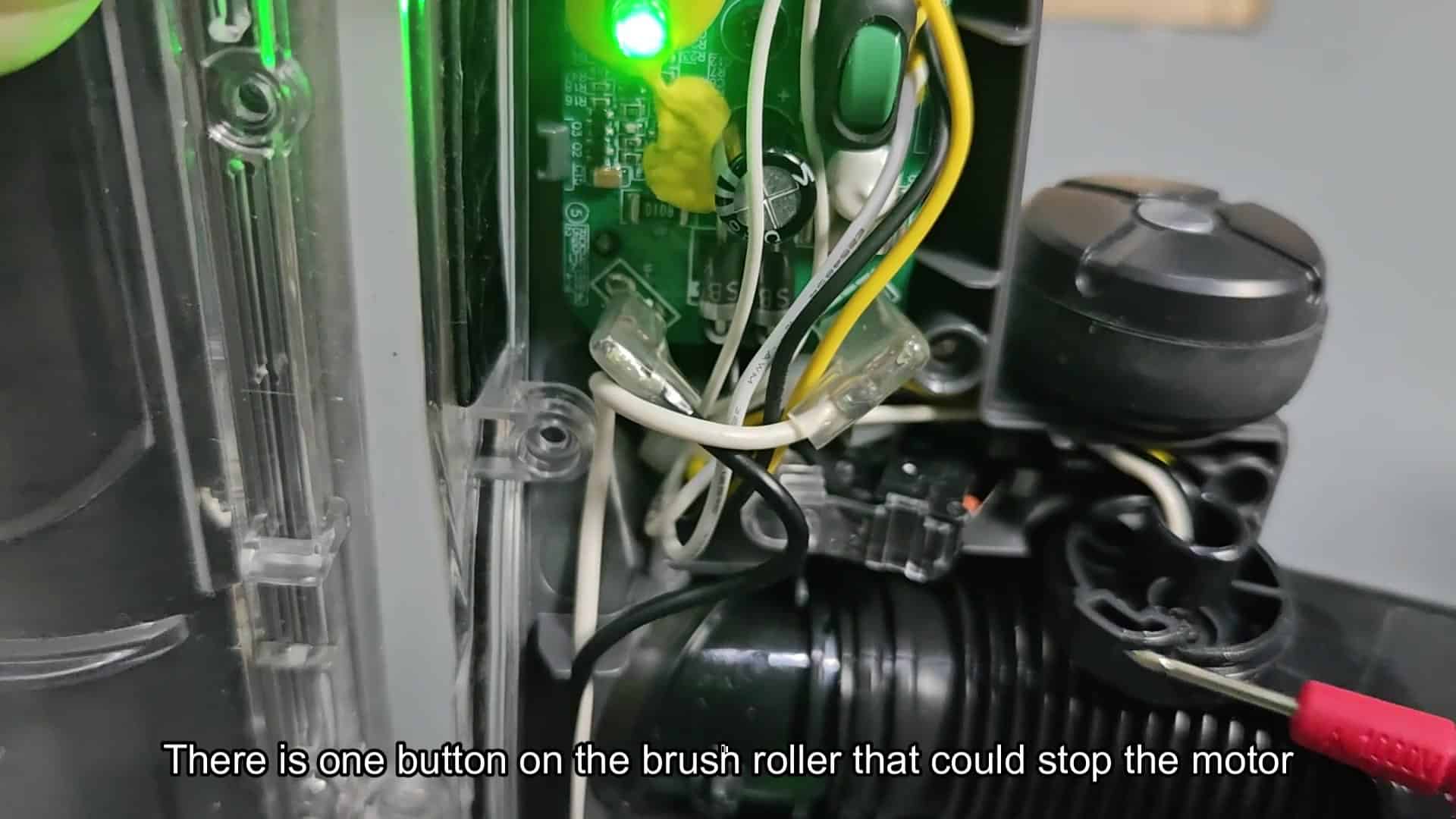
The other possible internal blockage is a safety switch mechanism. Often, a small sensor or button will disengage the motor if the roller is jammed or held manually. This switch cuts power to the motor on purpose when it’s stuck in the trigger position. Find the small black switch area close to the circuit board and see if you can press it to make sure it wasn’t physicaly stuck. Some people find that fixes it.
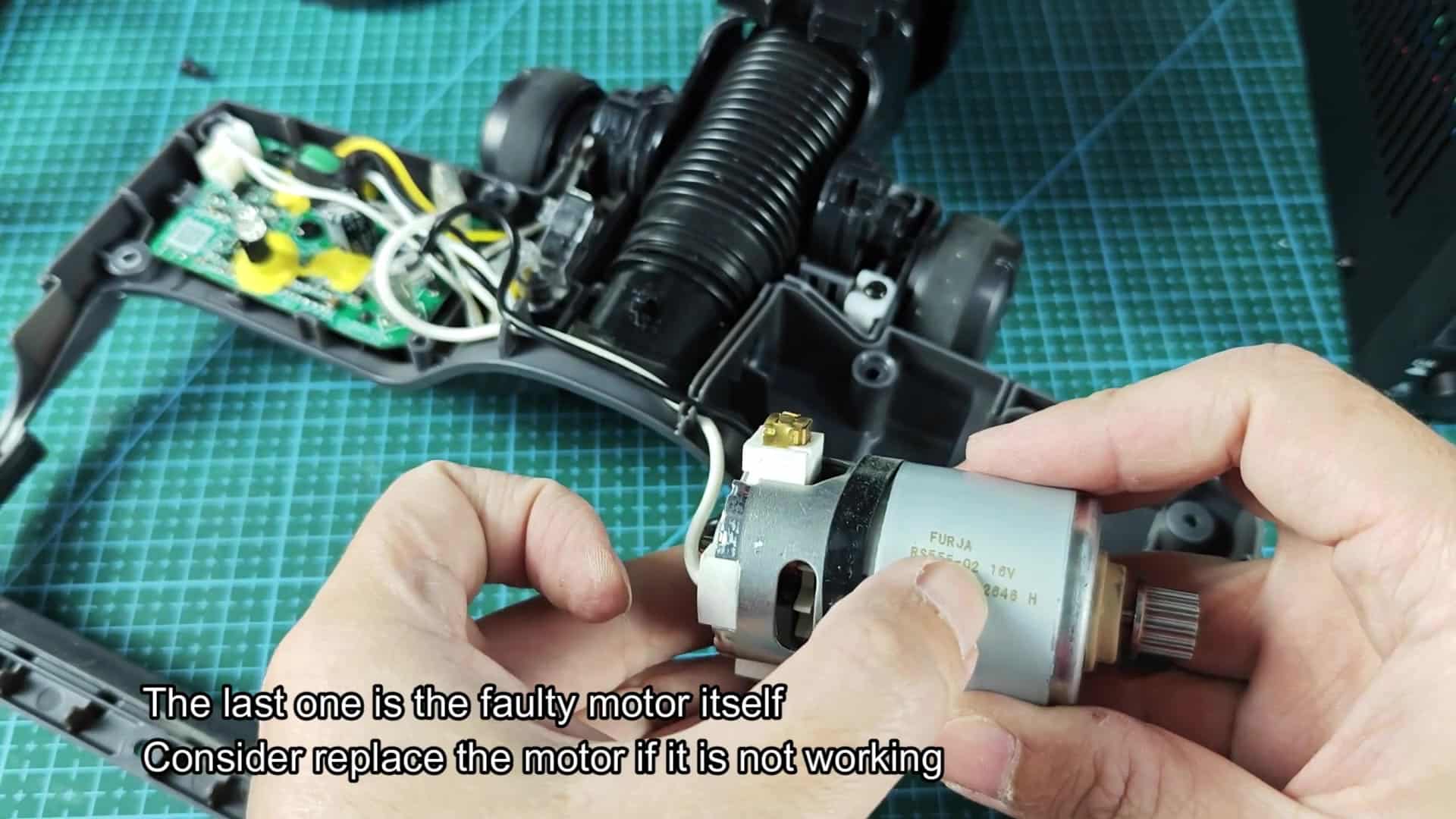
The last possibility is that your DC motor might simply be fried. Small DC motors are not built to last forever and will eventually give up the ghost after prolonged use. The part you want to check for is the FK-180SA motor. Connect directly to the motor and try turning it on. If it doesn’t turn at all while being fed voltage, then it’s toast.
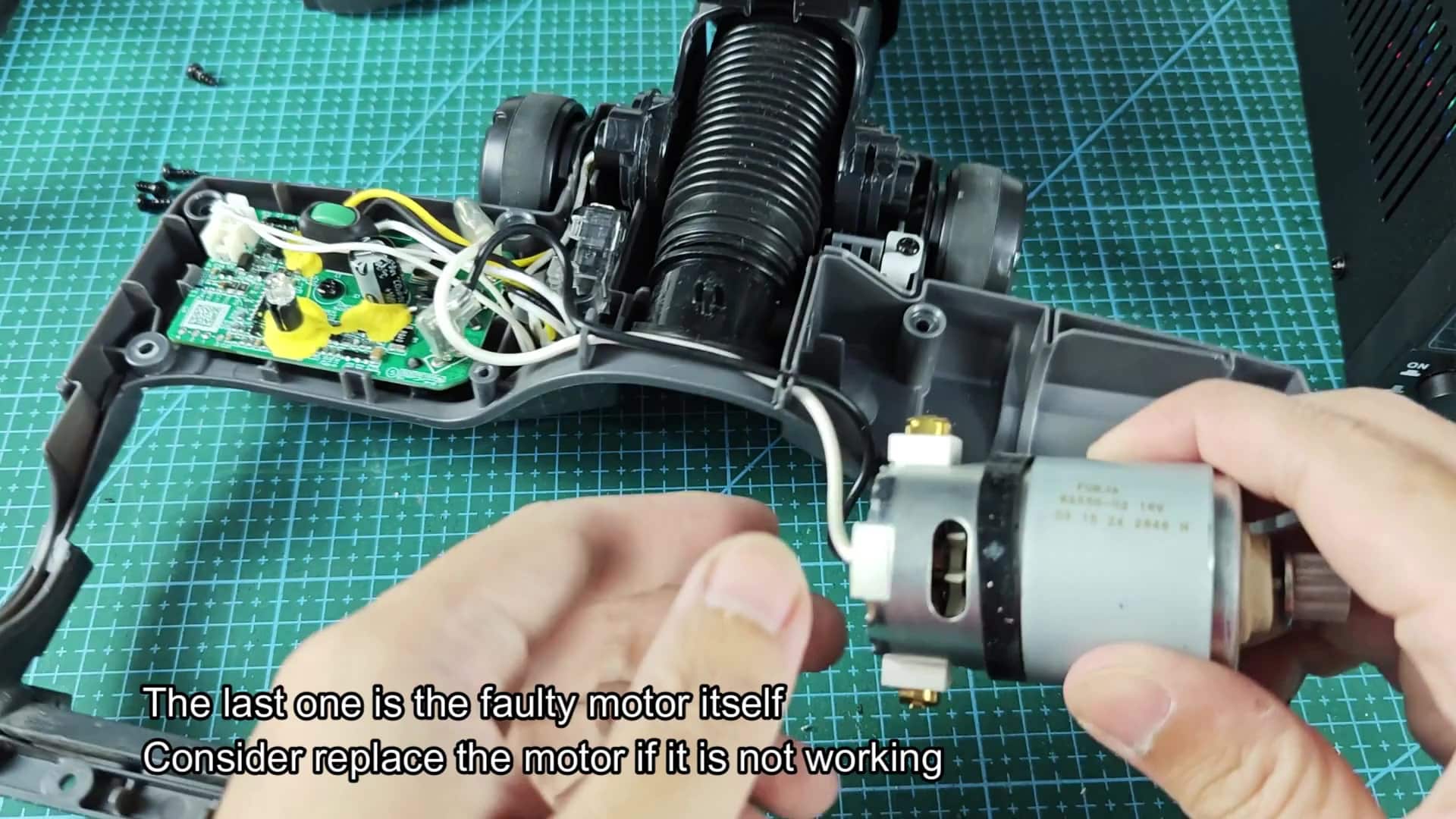
If your brush roller isn’t spinning, here is how to troubleshoot the problem. Don’t fret, you’ve got this! Replacing it is as simple as removing and reinstalling the bad one. Be careful to avoid damaging any wires, and make sure new motor matches the specs of the old one. When you go to turn it on, the brush roller needs to spin right away.
If that’s the case, congrats, you’re finished with troubleshooting.