Let’s say your Electrolux washer won’t pump water out in the middle of a cycle. It might have happened because machine holds water when power is lost or when it goes into an error state. When that happens, drum fills up and you cannot open the door properly.
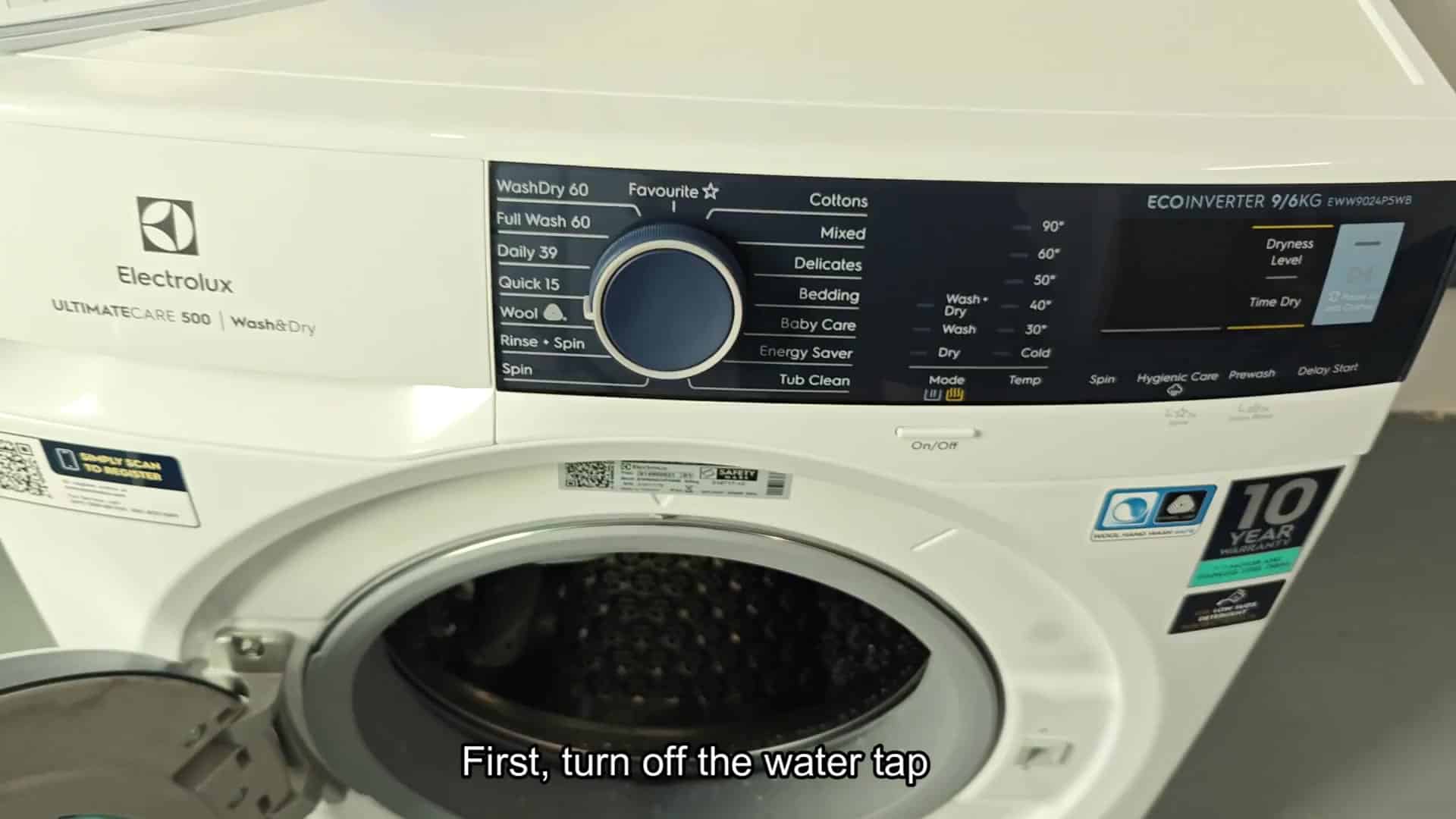
Before you can troubleshoot the underlying problem, you must get the water out yourself. You don’t want to do this in standing water, which is why it is urgent. First, shut the water OFF to the machine. Locate the faucet behind the machine. Shut that sucker down tight. This keeps new water from entering the system while you drain it. If your leak involves the inlet valve, this will help as well too.
In general, when working on appliances, turning off the water supply are a good practice. You’ll have peace-of-mind as you work on repairs knowing the water’s off.
Draining the Washer Manually
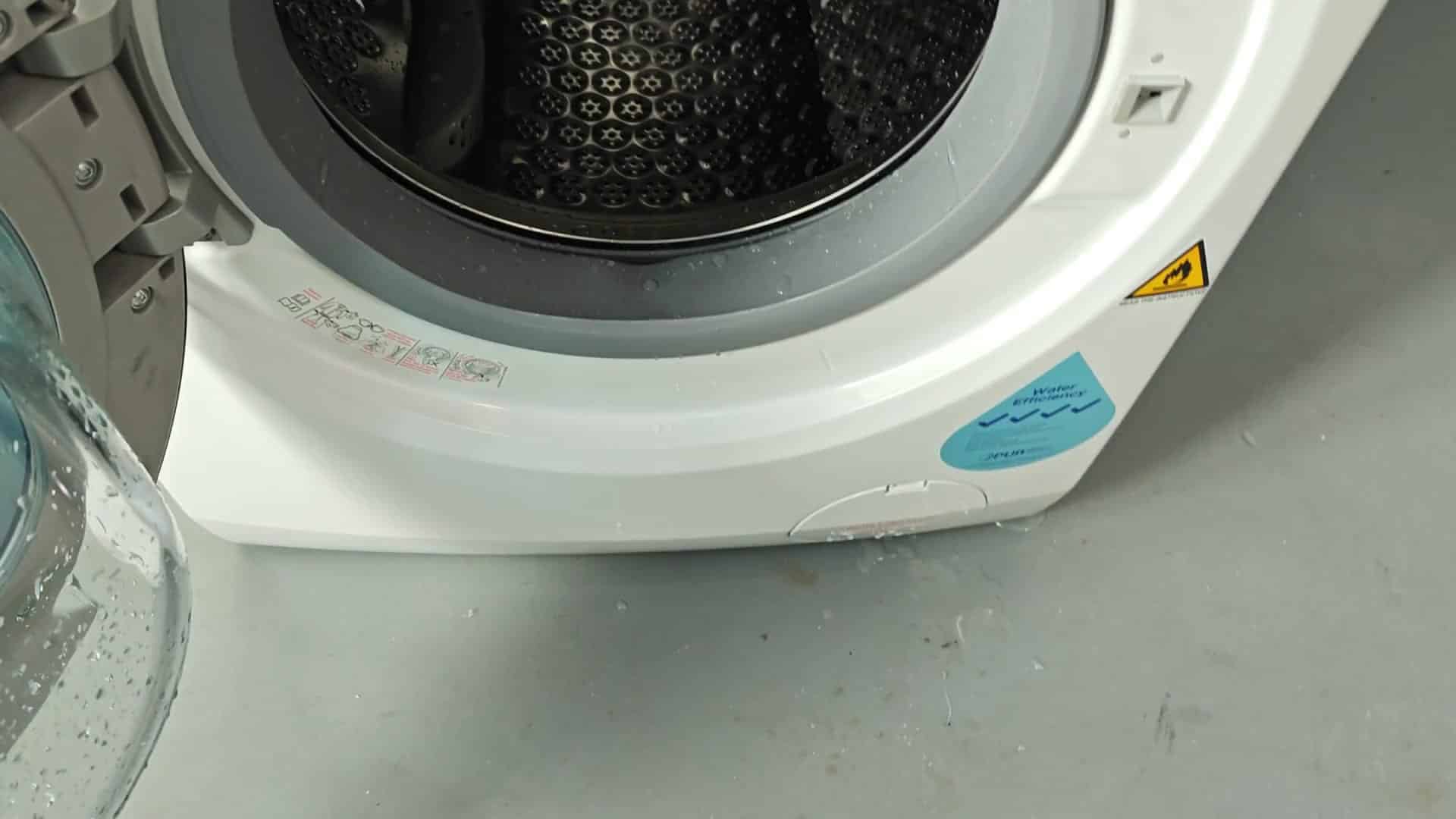
Now let’s turn our focus to the bottom front cover of the washer. At the very lowest portion of the washer is a little panel that many people overlook due to its location being so close to the ground. This is where your Electrolux model will have a way in specifically for the drain pump filter.
Crouch down and you’ll see this panel fairly easy. In most cases, you do not need to use any tools. With a little gentle pressure, the cover clicks off.
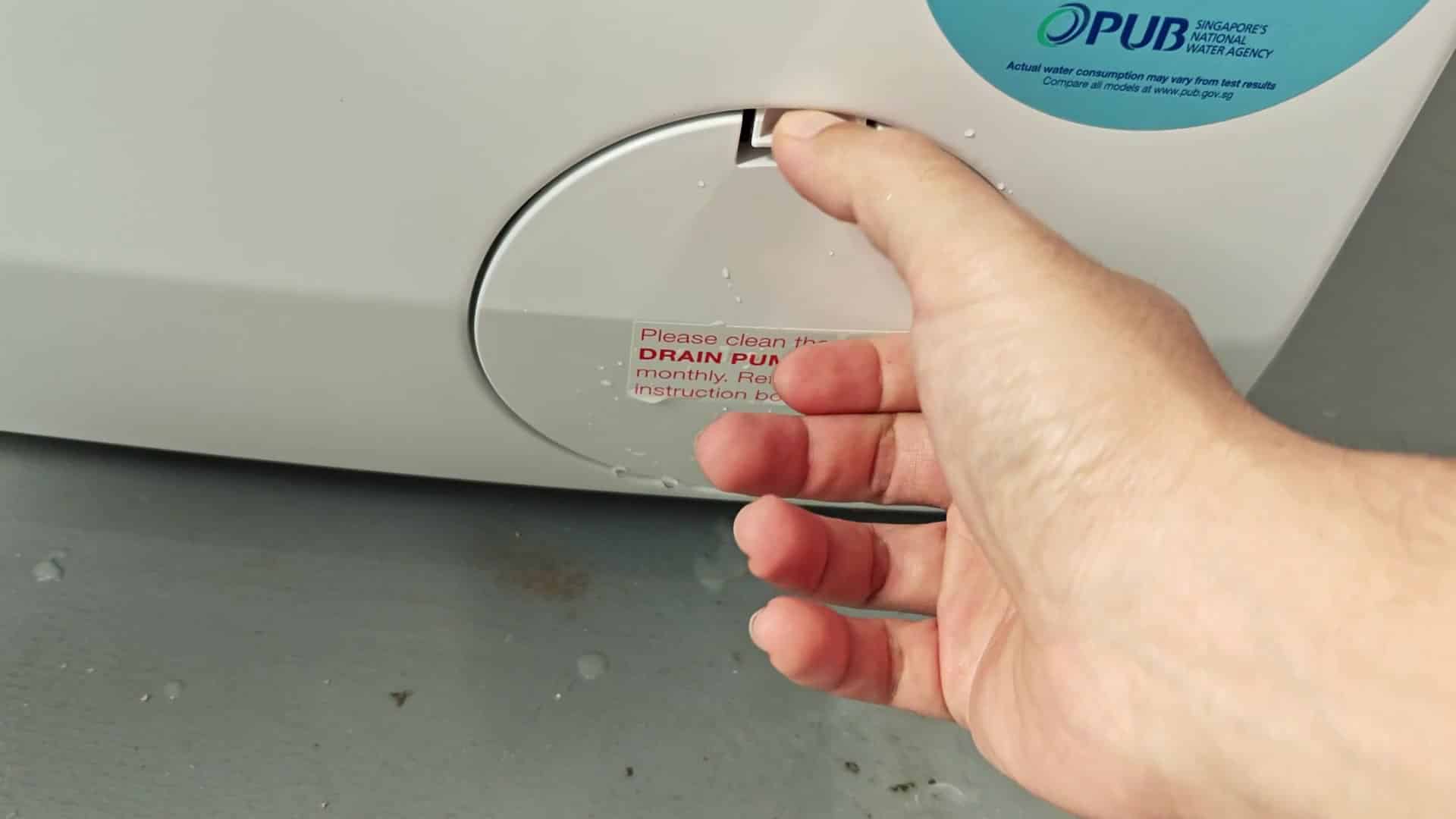
Prepare a container to catch the water before opening anything further.
Open nothing else until you’ve got a place prepared to collect the water. If you’re not near a shallow tub, a plastic bag serves as a great container for collecting the water. Get a good plastic bag and keep it handy.
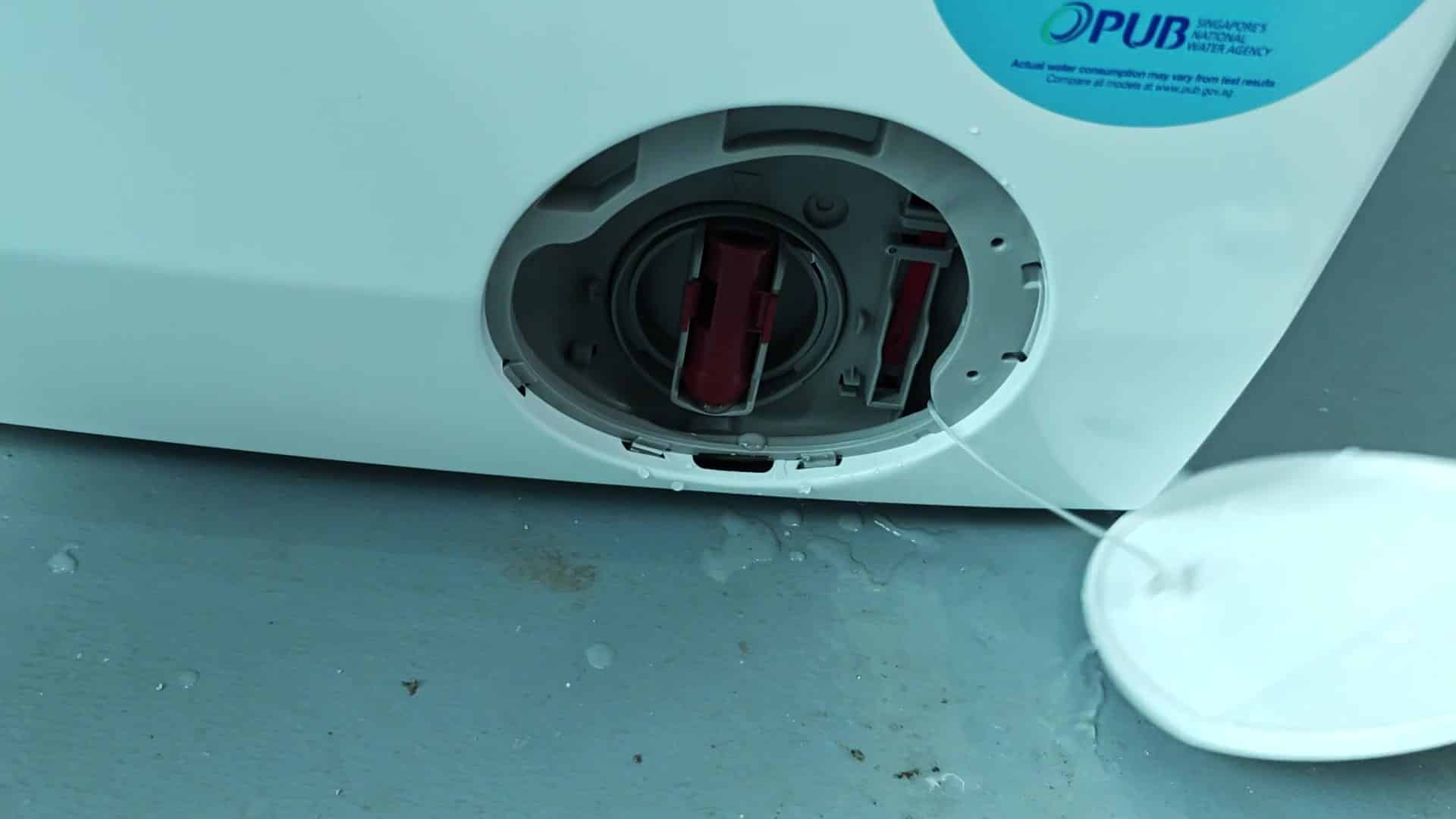
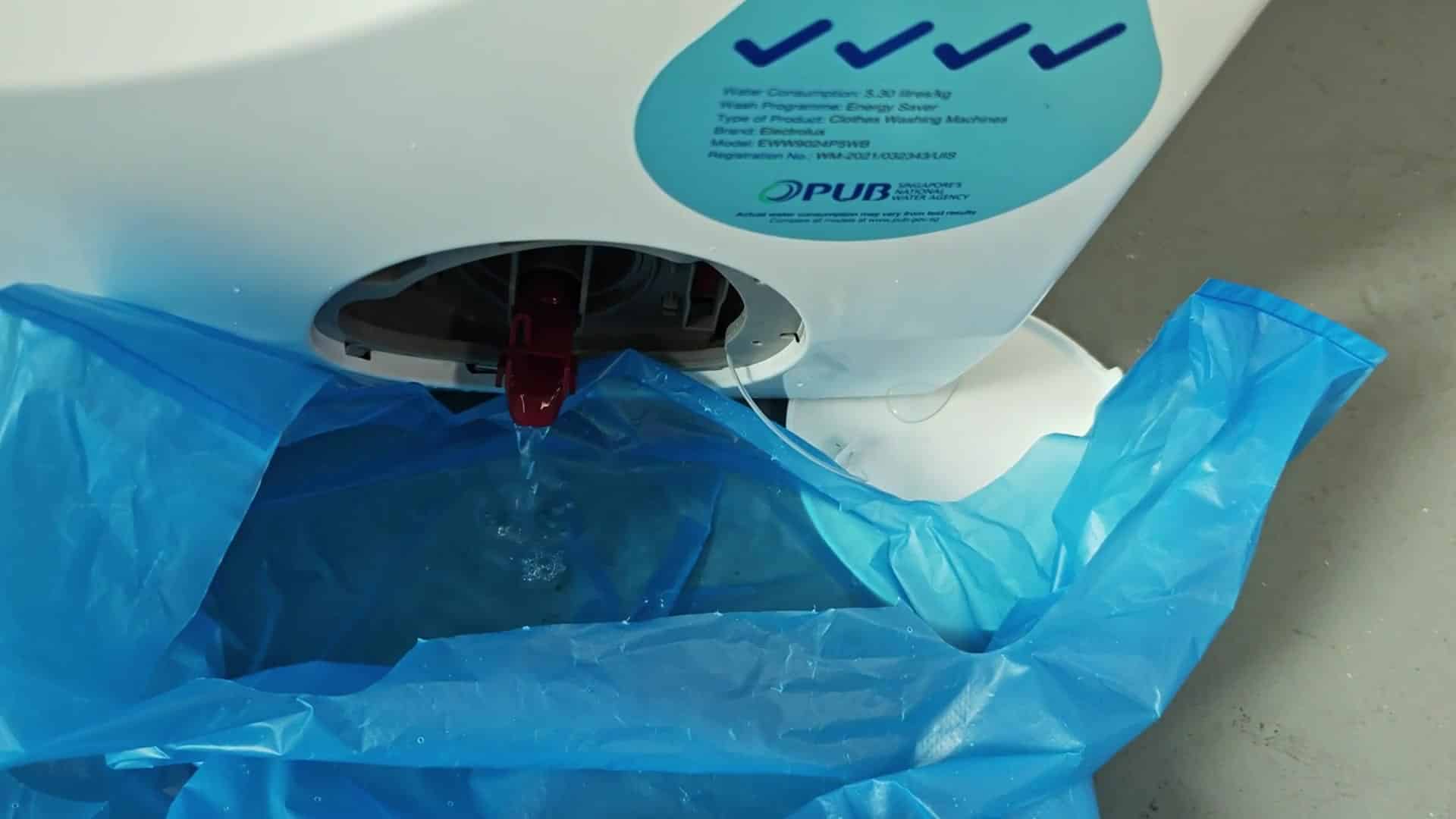
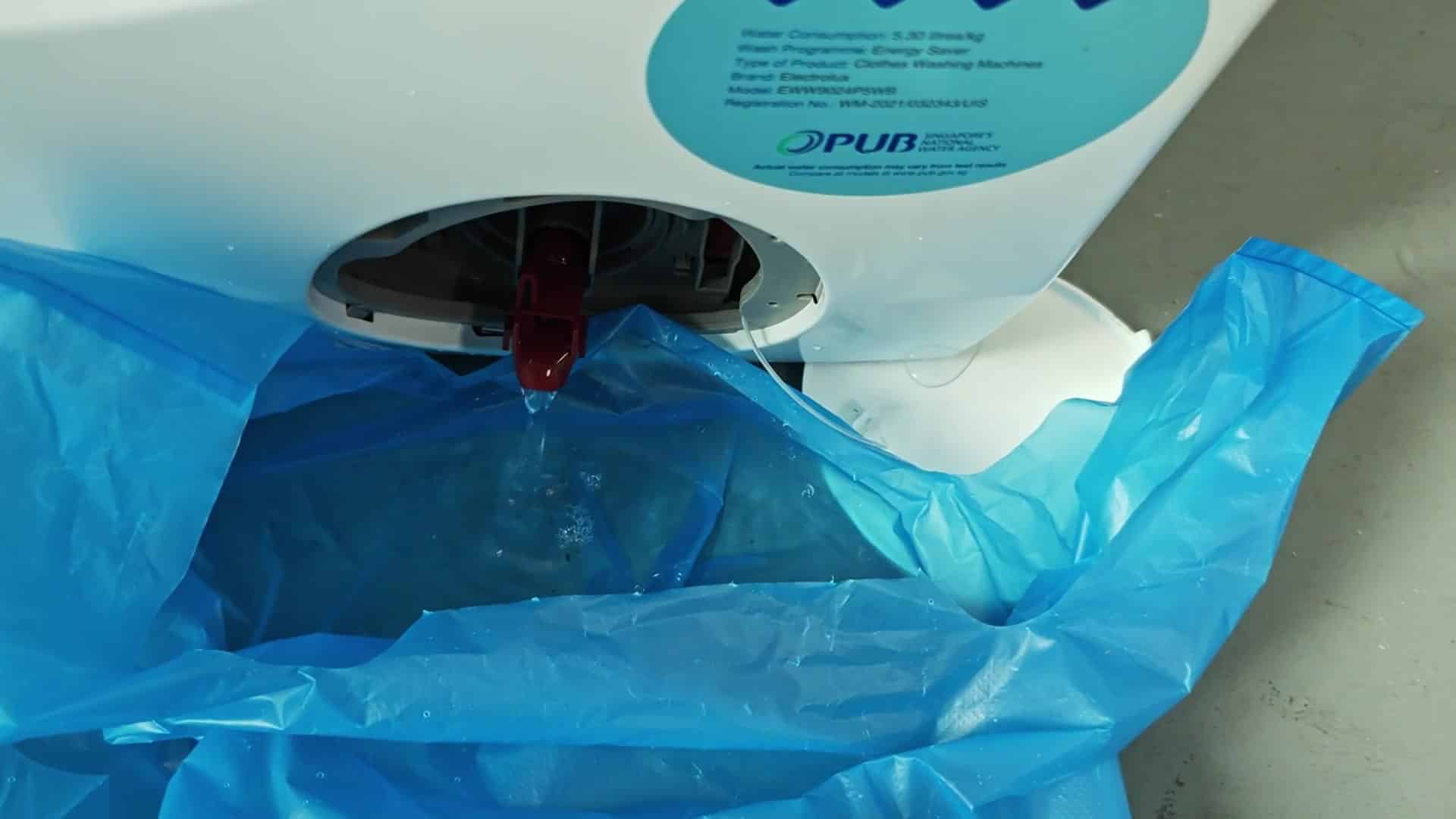
Once that seal is broken, there’s probably going to be some water spilling out. Keeping the area around your laundry dry prevents slips and keeps your floors from getting wet. That’s all the prep you’ll need for the job. To get it started, remove the drain hose cap (inside that access panel) which relieves pressure and lets the water flow. It hooks up straight to the pump filter assembly. As soon as you let it down, water starts pour out.
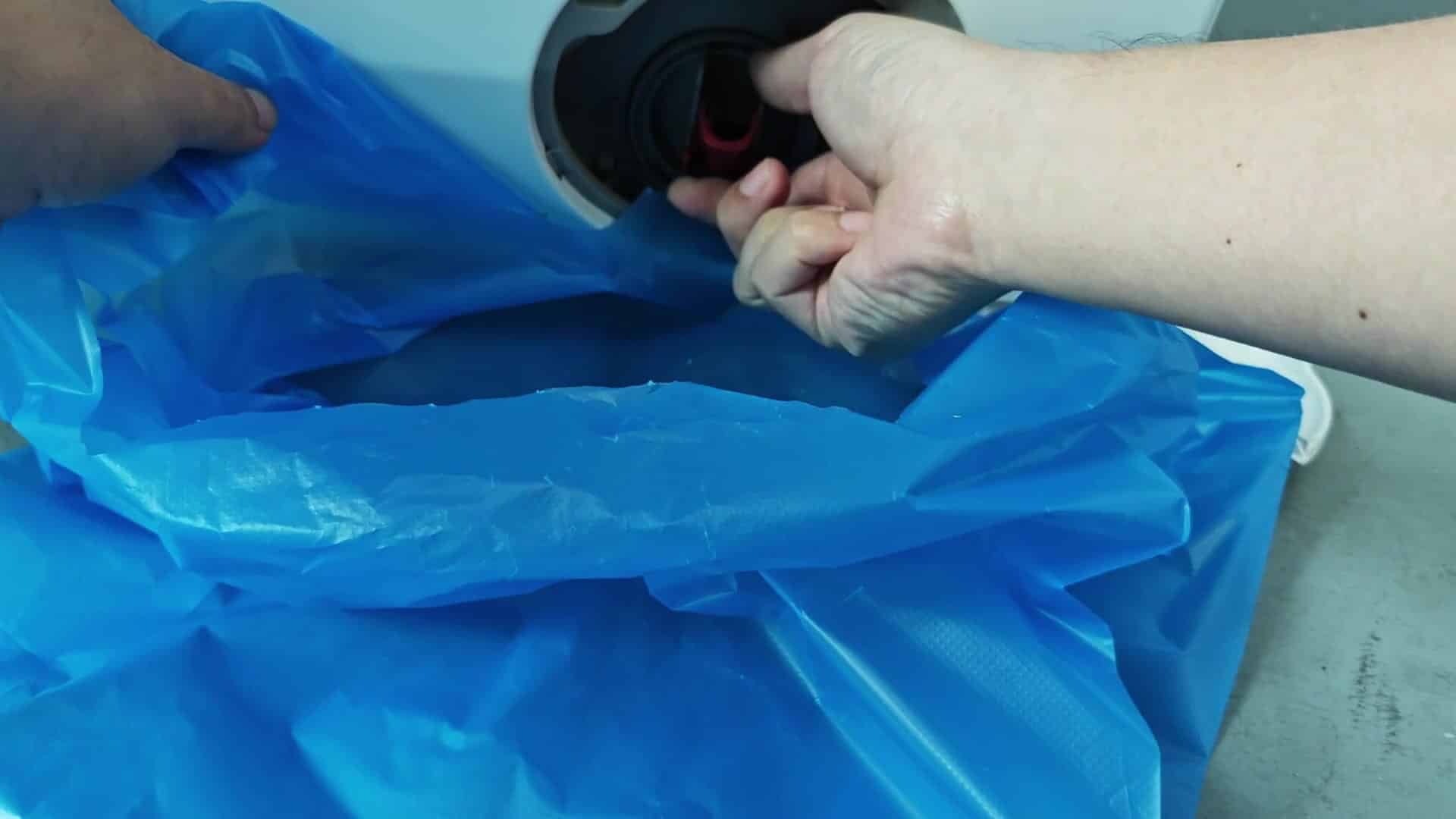
Don’t panic; it’s not a gusher. Just make sure you have the container in the right place. The water can be cooler than you thought it would be, but it’s not too much. For a few more minutes, the water keeps flowing into your bag. There’s still a lot of leftover water in the system, so it might be a bit longer then expected. Don’t move the bag around or else you’ll spill some.
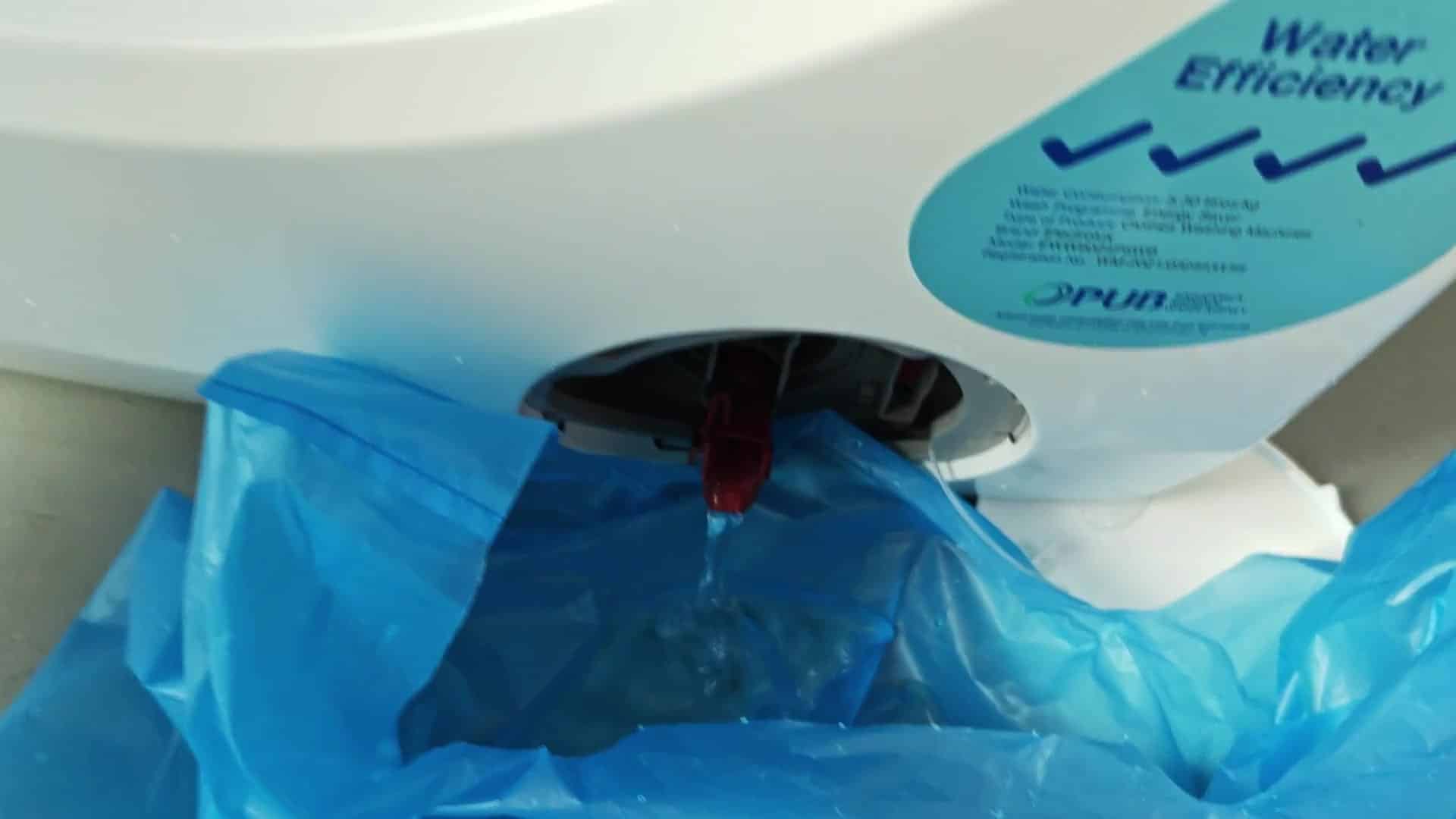
You’re just sitting there waiting as the small space is filled with the sound of running water. This require patience; you want to make sure the drip has fully stopped. Next, let all that water drain out. Even after the flow slows to a trickle, there will still be a lot of water left. Hold it steady to avoid spills.
Wait just a bit longer for the last few drips to stop before lifting it out of position. If you don’t wait long enough, the remaining water will soak your hand when you lift the filter out later on. So be patient and wait for it to go dry all the way down the hose. Be sure to close the bag securely, and safely dispose of the water. Now your washer is fully drained and you can clean it up (or continue working on other repairs).
Knowing how to manually drain the washer is actualy quite simple. Total time spent from beginning to end? Under ten minutes. And it’s a great way to fix the current issue quickly.